
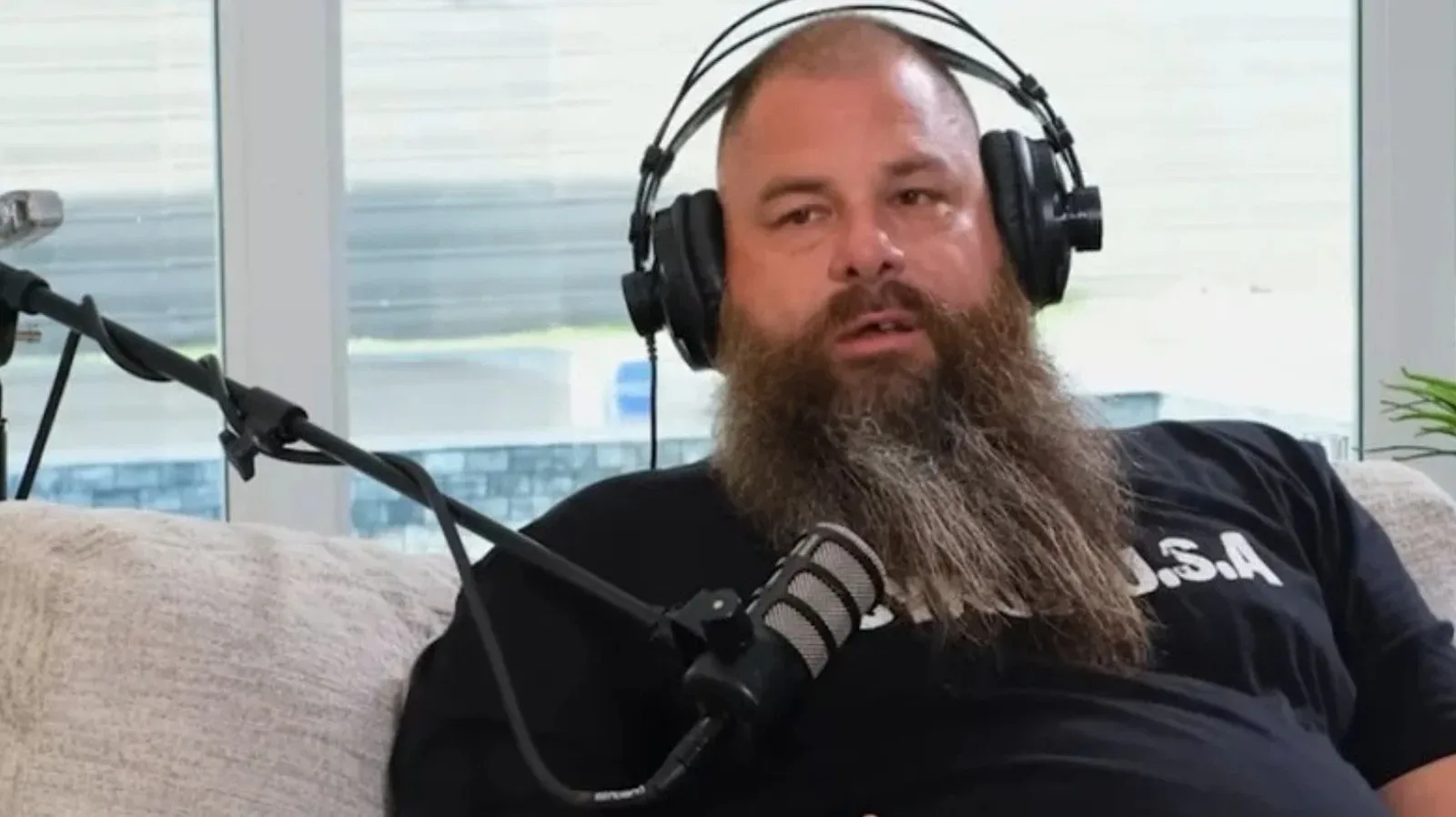
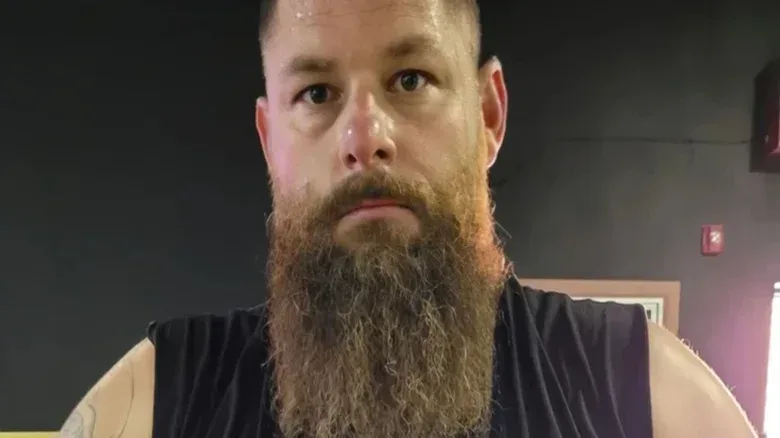
Syko Stu, whose real name is Stuart Smith, has provided a detailed account of the lasting physical effects from the attack he suffered during a Knokx Pro Wrestling event involving Raja Jackson, the son of former UFC star Quinton “Rampage” Jackson.
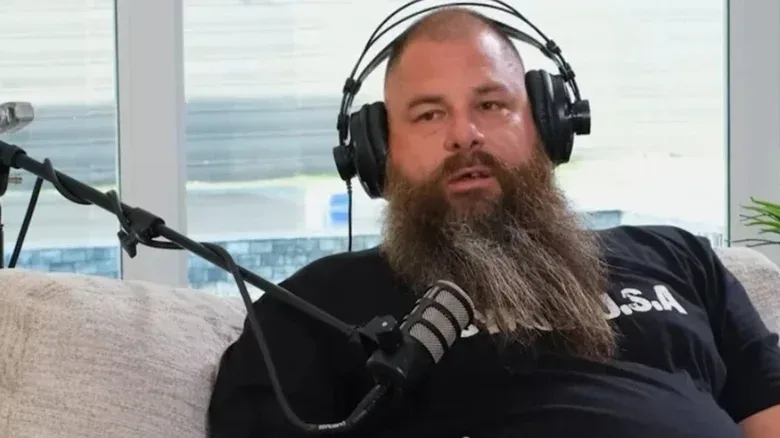
More than a year after the incident, Smith discussed his recovery during an appearance on SOSPodcast. The wrestler said the attack left him with a severe traumatic brain injury, facial damage, missing teeth, and an extended absence from both professional wrestling and his regular job. Although he has made progress since being hospitalized, Smith made clear that his treatment and recovery are still ongoing.
The incident occurred when an angle inside the ring became real. Raja Jackson delivered legitimate strikes to Smith, knocking him unconscious. Smith was hospitalized for nearly a week following the attack. Jackson later faced a felony charge of battery with serious bodily injury and accepted a plea agreement. He served 90 days in jail, was released on September 29, and is now subject to two years of formal probation. The plea deal also requires Jackson to pay Smith more than $81,000 in restitution.
Smith Has Little Memory of the Attack or Immediate Aftermath
One of the most striking elements of Smith’s account is how little he remembers from the period surrounding the assault. He told SOSPodcast that his memories do not begin to return until several days after the Saturday incident, as he drifted in and out of consciousness while receiving medical care.
For more background on this topic, read Good Brothers Set To Defend MLW Tag Titles Against Glasgow Boys On Top In Chicago Street Fight.
“I was going in and out of consciousness the whole time,” Smith said on SOSPodcast. “I do remember waking up on Tuesday and seeing some of the wrestlers. Rikishi was there. We were kind of talking and then I remember, like after Tuesday, I kind of remember a little bit more. I was trying to just basically recover, so I could get out of the hospital.”
Smith said he was not shown footage of the attack during his hospital stay. Nor was he immediately given a full explanation of the severity of what had happened in the ring. His focus was simply on stabilizing, regaining basic functions, and reaching a point at which doctors felt comfortable allowing him to leave the hospital.
That gap in memory is consistent with the seriousness of the head trauma Smith has described. The wrestler said that, after the incident, he had to work toward being able to walk again before he could be discharged. The process was not limited to recovering from visible injuries; it involved addressing neurological issues that have continued well beyond his initial hospitalization.
A Severe Traumatic Brain Injury Changed Daily Life
Smith directly identified a severe traumatic brain injury among the injuries he sustained. He also said he lost two upper teeth and shattered his maxilla, the upper jawbone that forms part of the face. While he acknowledged there were additional injuries, he said the details can be difficult for him to recall.
“I really had to re-learn how to walk,” Smith said. “I couldn't walk after that for a while. Until I could walk... they weren't going to let me out of the hospital.”
The statement underscores the extent to which the attack affected far more than Smith’s wrestling schedule. Being unable to walk, requiring a lengthy hospital stay, and dealing with brain trauma meant that everyday life became centered on recovery. His condition also helps explain why the aftermath has stretched far beyond the immediate legal case against Jackson.
For wrestlers, the physicality of the sport brings obvious risks, but Smith’s situation was not framed as a standard injury sustained while performing a planned match. The attack was described as a real assault that occurred during an in-ring situation. That distinction has remained central to the public discussion around the incident, particularly because Smith was rendered unconscious and needed extensive medical attention.
Smith and his wife addressed supporters after he returned home from the hospital, expressing appreciation for the response from fans and the wrestling community. Donations collected through a GoFundMe campaign helped cover expenses tied to his hospitalization and the income he lost while he was unable to work. The support, however, did not erase the long-term challenges posed by the injuries.
Recovery Kept Smith Away From Work for a Full Year
In addition to missing time in wrestling, Smith was away from his non-wrestling profession for an entire year. He explained that the demands of his job made it impossible to return before he had made more progress in treating the brain injury.
“I was actually off work for an entire year, just because with a severe traumatic injury, with my job, you gotta think a lot,” Smith said on SOSPodcast. “It's a lot of computer work and stuff like that. So, I was off of work for an entire year. Just going to doctors appointments.”
That absence illustrates a consequence often overlooked when discussing injuries involving wrestlers outside the largest promotions. Independent wrestlers frequently balance their ring careers with regular employment. An injury that prevents them from working does not merely remove them from cards and training sessions; it can also affect the income and routines that support their personal lives.
Smith’s recovery has involved continuous medical appointments, and he remains under the care of doctors treating the traumatic brain injury. He also continues to wait for dental work connected to the teeth he lost in the attack. Smith said he is expected to receive implants, but the process has not yet been completed.
“I'm still waiting for the dental to come through for my teeth,” Smith said. “They're giving me implants for these teeth. I'm still continuing with the traumatic brain injury doctors and stuff like that. It's an ongoing thing.”
The continued treatment emphasizes that a criminal case reaching a resolution does not mean the victim’s recovery is complete. Smith’s comments paint a picture of a long rehabilitation process involving neurological monitoring, dental reconstruction, doctor visits, and the practical work of returning to normal professional and personal responsibilities.
Jackson’s Legal Case Has Ended, but Restitution Remains
Jackson was charged after the attack with felony battery with serious bodily injury. His plea agreement resulted in a 90-day jail sentence, which he has served. After his release on September 29, he began a two-year period of formal probation.
The agreement also includes more than $81,000 in restitution owed to Smith. Restitution is particularly relevant in this case because Smith’s losses extended well beyond the initial emergency medical treatment. He spent nearly a week in the hospital, needed continuing care for a serious brain injury, faces dental reconstruction, and was unable to work for a year.
The more than $81,000 figure reflects the financial impact recognized through the plea deal, though Smith’s own comments make it clear that the human impact cannot be reduced to a single number. He has had to rebuild basic physical abilities, cope with incomplete memory of the event, and adjust to an ongoing treatment schedule.
There is also an important difference between restitution being ordered and the complete resolution of every challenge facing an injured person. Smith remains in treatment, and his dental work is still pending. His recovery is therefore continuing after Jackson’s release from jail and the beginning of probation.
An Ongoing Recovery for Syko Stu
Smith’s first extensive public comments since the attack offer a sobering update on what he has endured. The story is not simply about a single violent moment in a wrestling ring. It is about the months that followed: hospitalization, lost mobility, a traumatic brain injury, facial fractures, missing teeth, a year away from work, and ongoing medical care.
There are encouraging signs in the fact that Smith has been able to speak publicly, return his attention toward the future, and describe the support he received from his family, fellow wrestlers, and fans. He recalled Rikishi visiting while he was still in the hospital, and he has credited his family for standing by him through a difficult period.
At the same time, Smith has not presented recovery as a finished process. He is still seeing specialists. He is still awaiting implants. He is still living with the consequences of the brain injury that interrupted both his in-ring career and his day-to-day employment.
For Smith, the attack’s impact remains present long after the criminal proceedings produced a plea deal and jail time for Jackson. His account serves as a reminder that recovery from serious violence can continue long after the moment that first drew public attention has passed.
In pictures

Darryl Polo
Darryl Polo is a passionate wrestling fan covering WWE, AEW, TNA and beyond. He loves great rivalries, breakout stars and the moments that keep fans talking long after the bell. How we work.