
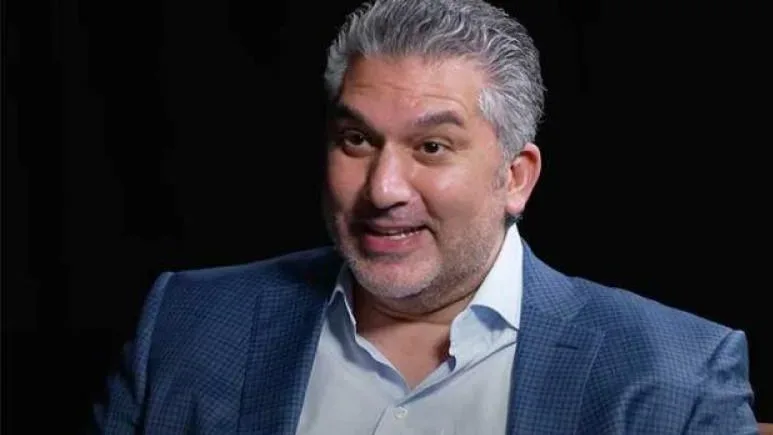
WWE President Nick Khan has outlined the company’s approach to Superstars pursuing film and television work outside the ring, stressing the potential value of mainstream visibility while making clear that not every opportunity will receive the same response.
Khan discussed the subject as Cody Rhodes and Roman Reigns promote the upcoming Street Fight movie, in which both WWE stars appear. The pair’s media activity has placed two of the company’s most recognizable performers in front of audiences beyond WWE programming, a crossover strategy that has long been part of the industry’s broader ambitions.
For Khan, the central point is that success away from WWE can strengthen a performer’s standing within WWE as well. He indicated that Rhodes and Reigns have established themselves sufficiently to receive the company’s backing for outside projects, while saying that situations involving other talent will be assessed individually.
“If past is prologue, the bigger that these guys can become outside of the W.W.E., the bigger they become inside W.W.E. — that’s good for everybody,” Khan said.
For more background on this topic, read John Cena Still Owns the 1989 Jeep Wrangler He Bought With His First Wrestling Paychecks.
He added that Rhodes and Reigns have “earned the right to do outside projects with W.W.E.’s buy-in and support.” At the same time, Khan said WWE would review film and television proposals involving other wrestlers on a case-by-case basis.
Rhodes and Reigns represent WWE’s biggest current crossover names
The comments arrive at a notable moment for both Rhodes and Reigns. Rhodes is one of WWE’s foremost active stars and has been positioned prominently as a leading face of the promotion. Reigns, meanwhile, remains one of the company’s defining attractions and a performer whose presence carries substantial weight both on WWE television and in broader popular culture.
Having the two featured together in Street Fight gives WWE a chance to showcase established headline acts in a setting that is separate from its weekly wrestling programming. Their work on the film’s promotional circuit also creates an opportunity for WWE’s branding to reach viewers who may not otherwise follow Raw, SmackDown, Premium Live Events, or the company’s digital platforms.
Khan’s remarks reflect a simple but significant corporate calculation: a talent’s individual notoriety can be beneficial when it translates back to WWE. If a WWE performer gains public recognition through a movie, television appearance, or another entertainment project, that increased familiarity can help make their eventual WWE appearances feel more consequential to a wider audience.
That concept has precedent in professional wrestling. The industry has repeatedly seen wrestlers use acting, television, reality programming, endorsements, and other ventures to expand their profiles. In favorable cases, the increased exposure has not operated as a departure from wrestling so much as an additional promotional channel for it.
WWE support is not described as automatic
While Khan spoke positively about outside work, his case-by-case language is equally important. WWE is not presenting film and television roles as a blanket entitlement for every member of the roster. Instead, the company appears set to weigh each opportunity on its own circumstances.
That approach leaves room for WWE to consider several practical issues without committing publicly to a one-size-fits-all policy. The timing of a project, a wrestler’s existing WWE obligations, the nature of the role, the potential effect on television plans, and whether the project aligns with the company’s interests can all matter when outside work is being discussed.
Nothing in Khan’s comments establishes a specific checklist or guarantees a particular outcome for any wrestler who receives an offer. The message is more measured: WWE recognizes the possible upside of entertainment crossover, especially for performers who have already proven themselves as major representatives of the brand, but each proposed project must be evaluated on its own merits.
For the locker room, that distinction is meaningful. Rhodes and Reigns are being cited as examples of stars whose status has earned them company support. Other wrestlers may still have the chance to pursue similar work, but their opportunities will not necessarily be handled in exactly the same fashion or under the same circumstances.
Mainstream exposure can strengthen WWE’s overall presentation
WWE’s interest in creating recognizable stars has always extended beyond wins and losses in the ring. Television appearances, media interviews, partnerships, and entertainment roles can all contribute to the perception that a performer is larger than the confines of a single weekly show.
That added recognition can be especially useful when a Superstar returns to WWE programming after appearing in another medium. A viewer who discovers Rhodes or Reigns through a movie promotion may be more inclined to seek out their wrestling work. Existing fans, meanwhile, may see a WWE star’s outside success as further validation of that performer’s importance.
Khan’s statement also frames the relationship as mutually beneficial rather than competitive. Rather than treating outside acting work as something that detracts from WWE, he described a scenario in which the company and its talent can grow together. The stronger the individual profile, the stronger the WWE platform can potentially become.
That does not remove the need for balance. WWE maintains an extensive schedule of television, live events, media obligations, and major shows, and its top names often have central roles in ongoing storylines. Film and television commitments can require considerable time and coordination. A case-by-case review gives WWE flexibility to support projects while still protecting its own creative and operational needs.
For Rhodes and Reigns, the company’s buy-in around Street Fight suggests that WWE sees clear promotional upside in their involvement. Their shared presence also makes the project distinct from a solo appearance, as it places two central WWE figures in the same external release and on the same media tour.
Crown Jewel remains WWE’s next Premium Live Event
WWE’s next Premium Live Event is currently advertised as Crown Jewel, scheduled for November 7 in Riyadh, Saudi Arabia. The company continues to list Riyadh as the host city for the event.
The planned location has drawn additional attention amid continuing conflict in the Middle East. In October, King Khalid International Airport in Riyadh was targeted. CNBC reported that 13 people were killed and more than 300 were injured after a projectile struck terminals at the airport.
WWE is still advertising Crown Jewel for Riyadh as of the latest information. There has been no stated change in the event’s listed venue or date in the information available.
The circumstances place a major WWE event against a serious and evolving regional backdrop. For now, the company’s public event listing remains unchanged, with Crown Jewel set for November 7 in Riyadh.
What Khan’s comments mean going forward
Khan’s perspective offers a clear indication of how WWE views entertainment opportunities involving its talent. The company sees tangible value in having its biggest names become more widely known beyond wrestling, particularly when that recognition can be carried back into WWE’s programming and business.
Rhodes and Reigns are the immediate examples because of their work on Street Fight and the promotional responsibilities surrounding the release. Their status, in Khan’s view, has earned them the support to take on those projects with WWE’s backing.
For everyone else, the door is not described as closed. It is simply not automatic. Wrestlers interested in film or television work can expect any potential opportunity to be judged individually rather than through a universal policy.
That framework gives WWE the ability to encourage the kind of crossover visibility that can elevate its stars, while retaining control over how external commitments intersect with the company’s own programming. As Rhodes and Reigns continue their Street Fight publicity, they stand as the latest high-profile test of the idea Khan summarized: when WWE performers become bigger outside the company, WWE can become bigger with them.

Darryl Polo
Darryl Polo is a passionate wrestling fan covering WWE, AEW, TNA and beyond. He loves great rivalries, breakout stars and the moments that keep fans talking long after the bell. How we work.