
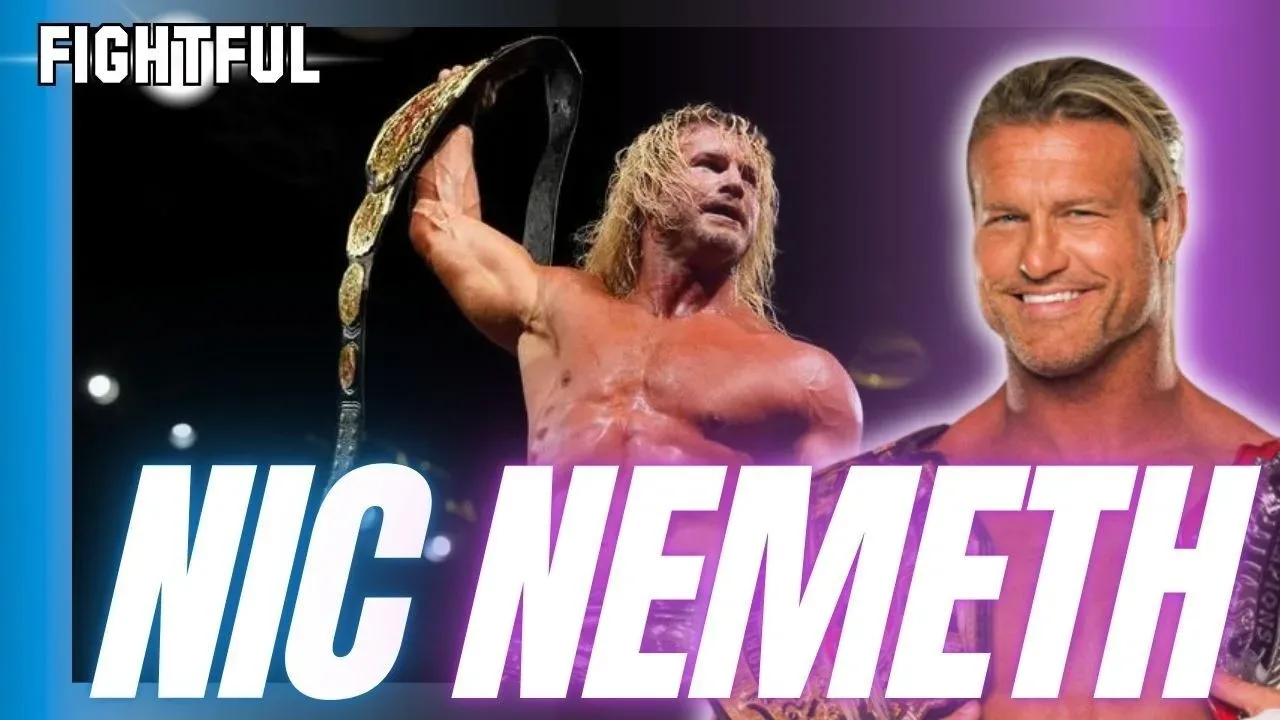
Nic Nemeth believes wrestling has made meaningful progress in how it handles talent workload, medical concerns and the value of keeping performers from being overexposed. Looking back at his lengthy WWE run, Nemeth recalled working the kind of schedule that left little opportunity to rest, recover or simply step away from the spotlight.
That reality led him to pitch an unusual idea to Vince McMahon several years ago: create planned storyline exits that would allow wrestlers to take time off, then return in a way that felt important to fans.
Nemeth’s point was not solely about getting a break from the road. He saw manufactured absences as a creative tool. In his view, a performer who appears constantly can become too familiar to an audience, particularly when that wrestler is regularly losing on television or live events. A temporary disappearance, followed by video packages and a carefully presented comeback, could refresh the act while giving someone else an opening on the card.
A changing approach to wrestling schedules
The former Dolph Ziggler described the post-COVID period as a major shift for the industry. WWE and other major companies reduced the number of untelevised live events compared with the demanding touring structures that had defined prior eras. While the reduction has remained a subject of debate among fans, Nemeth sees clear advantages in a less relentless calendar.
For more background on this topic, read Laynie Luck Set To Exit WWE ID Program Following Title Loss.
He said wrestlers are now more likely to receive appropriate medical attention when something is wrong, rather than being expected to push through every issue. Nemeth framed the change as both a practical and human one, whether it comes from companies seeking to better manage risk or from an increased willingness to recognize that performers need to have injuries properly evaluated.
“We’re taking more care of each other,” Nemeth said. “We take people to hospital when they’re hurt” rather than dismissing the issue.
Nemeth contrasted that approach with the workload he experienced for most of his own career. He estimated that roughly two-thirds to three-quarters of his time in wrestling was spent under the old WWE system, where he could be on the road five or six days per week, sometimes for extended stretches. The difference after COVID, he said, was dramatic, with schedules potentially dropping to one or two workdays in a week alongside selected live events.
His comments did not suggest that every wrestler should work the same reduced schedule. Instead, he argued that a lighter calendar can help promotions retain talent over the long term, particularly as wrestlers continue performing into their 40s. Nemeth also noted that there is a significant difference between a champion making occasional appearances and a wrestler who is expected to be visible week after week without a meaningful pause.
“Do I have to quit or fake an injury?”
Nemeth said he brought his idea to McMahon approximately seven or eight years ago, at a time when he felt he could not secure a day off. His recollection of that conversation captured the frustration of a wrestler seeking a way to break up the repetition of a nonstop schedule.
“Vince, do I have to quit or fake an injury? What do I have to do here? Because I can’t get a day off,” Nemeth recalled asking.
For Nemeth, the concern extended beyond physical fatigue. He felt that appearing in front of fans every week, year-round, could reveal too much about a wrestler’s place in the hierarchy. If a talent loses eight or nine matches out of 10, audiences naturally develop expectations about the outcome when that person competes again. The mystery, urgency and anticipation that can make wrestling compelling are harder to preserve when viewers see the same acts continuously with little change in presentation.
His proposed solution was a planned, story-driven departure rather than a real injury or abrupt exit. A wrestler could be written off television after a major attack or angle, take several weeks away, and then be reintroduced through vignettes and an announced return. Nemeth suggested a span could be as short as three weeks or as long as six to eight weeks depending on the situation.
In describing the concept, he used a hypothetical involving Bronson Reed destroying him and even running him over with a car as a dramatic way to write him out. The central premise was that the angle would make the absence feel consequential, while the eventual return would give fans a reason to welcome the wrestler back rather than viewing another routine appearance as more of the same.
Triple H’s Madison Square Garden return remains the model
Nemeth pointed to one of WWE’s most memorable comeback moments as the clearest example of what he had in mind: Triple H returning from a torn quadriceps injury at Madison Square Garden in 2002.
That comeback was tied to a genuine extended absence and rehabilitation, not a pre-planned break. Still, Nemeth believes it demonstrated the enormous emotional value in allowing a wrestler to be missed. WWE aired promotional videos building to the moment, making clear that Triple H was coming back. When his entrance music hit at Madison Square Garden, the reaction was immediate and thunderous.
Nemeth remembered watching those vignettes with the volume turned up in his parents’ basement and feeling the impact of the anticipation. He stressed that Triple H was a special case: a top-level star who had been a major heel on WWE programming and a polarizing figure among online fans. Yet Nemeth believed the response also showed the connection between wrestling audiences and performers who have been away because of real hardship.
“Our guy is coming back,” Nemeth said in describing the feeling surrounding Triple H’s return.
The response transcended the simple heel-versus-babyface dynamic. Fans understood that a wrestler had endured a serious injury and difficult recovery, and the comeback became a moment of support for someone regarded as part of the wider wrestling community. Nemeth’s argument was that promotions should not have to wait for a devastating injury or surgery to create that kind of energy.
A storyline absence could never fully replicate the emotional reality of a return from a major medical setback. But it could provide a smaller-scale version of the same creative principle: let the audience miss someone, tell them why that person matters, and make the return feel like an event rather than another item on a weekly lineup.
Creating opportunities while protecting talent
Nemeth also viewed planned absences as a roster-management strategy. When an established wrestler steps away, the promotion has room to elevate another name. Someone lower on the card may receive more television time, a more prominent match or a storyline that otherwise would not have been available.
That aspect is important to his vision. The wrestler taking time away gains a chance to rest and return with renewed interest. The company gains the ability to rotate its talent more deliberately. And another performer gets an opportunity to move upward rather than remaining stuck behind a crowded group of regulars.
Nemeth believes that approach can be more beneficial than presenting an oversized pay-per-view card every few weeks with 11 matches and much of the roster attempting to maintain momentum at once. He favors a model in which major events can focus on a smaller number of matches, while different groups of wrestlers cycle into meaningful positions at different times.
It is an argument for scarcity in an industry that has long rewarded availability. Traditional WWE schedules placed enormous value on being dependable enough to work multiple nights every week, travel continuously and remain ready for television, premium live events and house shows. Nemeth’s experience illustrates the physical and creative costs of that expectation.
His proposal also speaks to a modern wrestling environment in which companies have more content platforms, deeper rosters and greater awareness of health concerns. A temporary departure no longer has to signal that a performer has fallen out of favor. With the right angle and follow-up, it can become an investment in the wrestler’s longevity and presentation.
For Nemeth, that investment is ultimately about sustaining careers and preserving the special feeling of a return. Fans may be accustomed to seeing their favorite wrestlers every week, but his belief is that the biggest reactions can come when a familiar face is allowed to disappear long enough for the audience to realize how much it has been missed.

Darryl Polo
Darryl Polo is a passionate wrestling fan covering WWE, AEW, TNA and beyond. He loves great rivalries, breakout stars and the moments that keep fans talking long after the bell. How we work.