
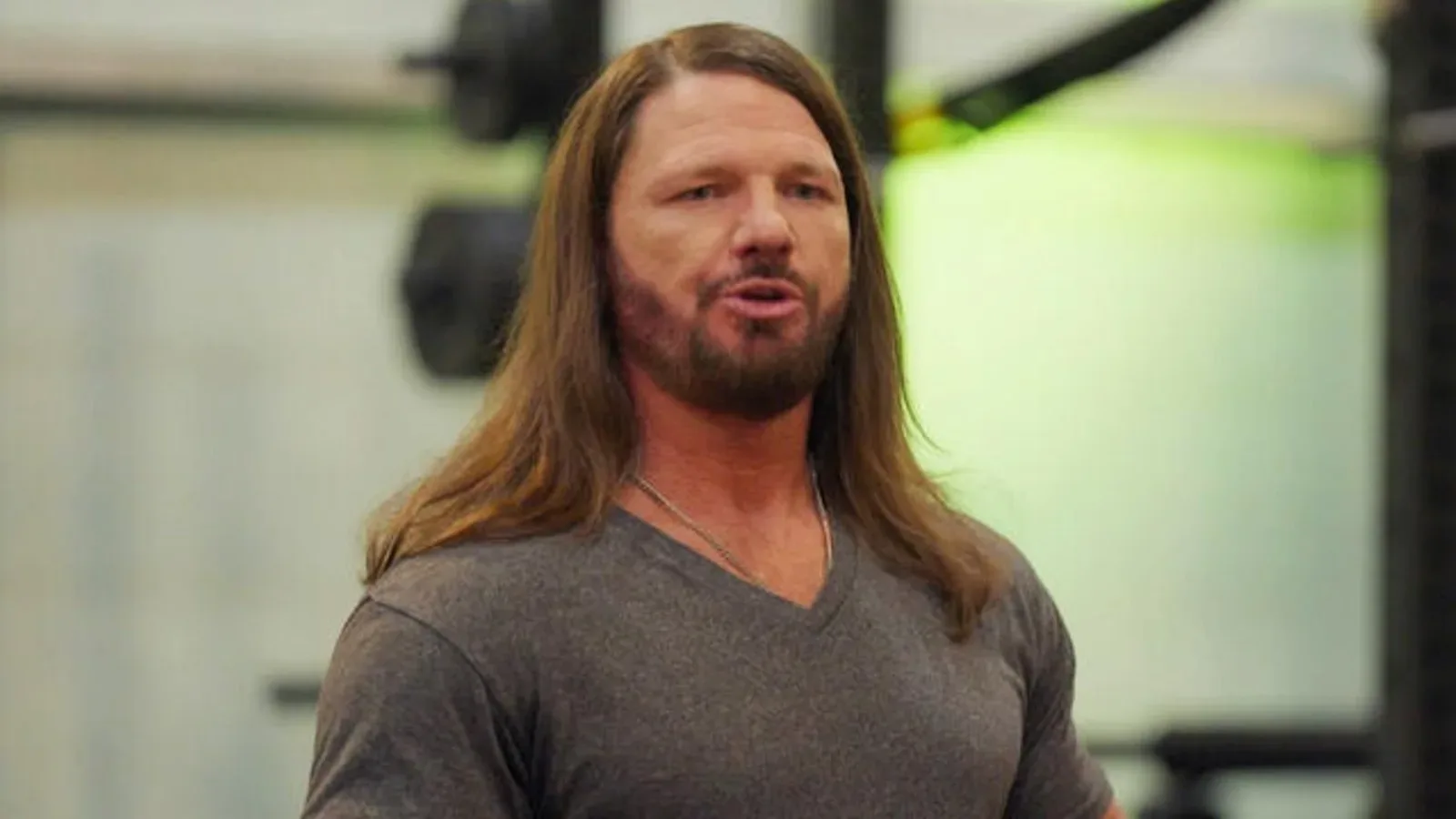
Matt Hardy believes AJ Styles possesses many of the qualities needed to make a successful transition from an in-ring career into a major behind-the-scenes role in WWE.
Styles has been mentioned in recent discussion surrounding a possible WWE NXT leadership change, with Shawn Michaels reportedly viewed as a potential candidate to move into a main-roster position. If that scenario develops, Styles has been among the names connected to the possibility of taking on greater responsibility within NXT.
Speaking on The Extreme Life of Matt Hardy, Hardy said he would not be surprised to see Styles become more involved in the developmental brand’s creative and talent-development process. In Hardy’s view, the longtime standout has shown the right approach to wrestling as he considers the post-retirement phase of his career.
“That had been the word on the street for a few months [Styles to take over NXT], too, so I’m not surprised by it,” Hardy said. “I mean, especially after just kind of seeing AJ’s temperament and his mentality towards the wrestling business upon retiring. I think that was his goal. He wanted to stick around and do things behind the scenes, help young guys and talent.”
For more background on this topic, read Jinder Mahal Says Sami Zayn’s WWE Character Work Stands Among Wrestling’s Best.
The possibility remains uncertain, and no official WWE announcement regarding an NXT leadership transition was detailed. Still, Hardy’s comments offer a perspective from someone who has known Styles through multiple stages of their careers and has seen him operate in roles beyond being a featured performer.
Hardy Points To Styles’ Previous Production Experience
For Hardy, the case for Styles is not based solely on his standing as one of the most accomplished wrestlers of his generation. He said Styles has already gained some practical experience in a backstage capacity, including work during a previous visit to TNA.
Hardy recalled that Styles did some agent work while Hardy was with the company. That experience, as described by Hardy, included helping call matches and communicating with the camera crew about how to capture the action in the ring. Those responsibilities are considerably different from performing in a match, but they are an important part of the process that turns an in-ring plan into a polished television presentation.
“He’s excited about it,” Hardy said. “I think I mentioned this on the show, he was at TNA a while back, and he actually did a little agent work while I was there, too. He called the matches and told the cameras how to follow the shots and where they were going. So I think he’ll be very good at it.”
That background could be especially relevant in NXT, where talent is regularly being prepared for the demands of WWE television. Wrestlers arriving in the system may have different levels of ring experience, different athletic foundations and varying degrees of familiarity with television production. A leader who understands both the performer’s perspective and the mechanics of presenting a match for television can offer valuable guidance.
Styles’ own career gives him a uniquely broad base from which to teach. Before becoming a cornerstone performer in WWE, he developed his reputation in TNA and built extensive experience outside the largest wrestling companies. He has competed in a range of wrestling environments and adapted to different audiences, opponents and styles across a lengthy career.
Hardy believes that versatility is more than a historical footnote. He sees it as a practical strength for someone working with younger wrestlers who may not fit one standard mold.
A Calm Approach Could Be A Major Asset
Beyond Styles’ ring knowledge and production experience, Hardy emphasized the importance of personality. Wrestling creative and developmental roles can demand patience, clarity and the ability to communicate difficult feedback without allowing emotions to take over the room. Hardy said Styles’ even-tempered nature would serve him well in that environment.
“I also think he’s got the right mentality and the right attitude because he’s very cool,” Hardy said. “He doesn’t lose his temper a lot, he’s very chill.”
That assessment is notable because an NXT leadership or creative role would involve more than simply suggesting moves or constructing matches. It would mean dealing with talent at different stages of development, working with coaches and production personnel, and helping performers find the character work and in-ring structure needed to advance. The strongest candidates for that type of responsibility need to recognize what a wrestler does well while also identifying what needs improvement.
Hardy’s description of Styles suggests he views him as someone capable of handling those challenges constructively. A calm presence can be important in a training environment, particularly when younger performers are adapting from sports backgrounds that may have little resemblance to professional wrestling.
Many prospects who enter WWE’s system have backgrounds in athletics outside wrestling. They may be former collegiate athletes, combat-sports competitors or performers with experience in other physical disciplines. Their learning curve can include the fundamentals of pacing, character development, crowd connection, camera awareness and the collaborative process behind a match. Hardy believes Styles’ experience across different wrestling styles would help him connect with that variety of talent.
Styles Would Still Face A Learning Curve
Hardy did not present a potential full-time WWE NXT leadership position as an effortless next step for Styles. Even with decades of experience as a wrestler and some previous agent work, a sustained position in creative or talent development would bring new responsibilities.
Calling matches, helping direct camera coverage and offering advice are meaningful parts of the job. Overseeing a larger system, however, requires a broader understanding of how stories, television, character progression and individual development work together over time. It also requires the ability to balance the needs of performers with the overall direction of a weekly brand.
Hardy acknowledged that Styles would need time to grow into those demands. However, he remains confident that Styles’ attitude gives him a strong foundation for the transition.
“I mean, he obviously is going to be on a learning curve, too, because this is his first time actually doing these gigs full-fledged,” Hardy added. “But I think he has a super positive and optimistic attitude.”
That is an important distinction. Great wrestlers do not automatically become great coaches, agents or bookers, just as success in a backstage position is not guaranteed by championship credentials. The skills overlap, but they are not identical. Hardy’s argument is that Styles has the willingness to learn, the demeanor to work with people and enough firsthand knowledge to make the adjustment realistic.
Hardy himself has spoken about wanting to become a booker once his in-ring days are over, giving his comments an added layer of context. He understands that a move behind the curtain requires a performer to look beyond their own match or character and consider the development of an entire roster. His praise for Styles centered on exactly those qualities: a desire to help talent, an understanding of different styles and a steady temperament.
Why NXT Could Fit Styles’ Next Chapter
Should Styles ultimately move into an expanded NXT role, the brand could provide a natural setting for his next chapter in wrestling. NXT has long functioned as a place where performers are taught not only how to work WWE matches, but how to develop the complete presentation needed for national television.
Styles’ career has included success in a variety of settings, making him well positioned to advise talent who are trying to discover what kind of wrestlers they can become. Some prospects may need help refining an athletic base into a compelling wrestling style. Others may be technically advanced but need to improve their understanding of television or storytelling. Still others may be looking for direction on how to stand apart in a crowded field.
Hardy’s remarks indicate that Styles could provide help in all of those areas while continuing to develop his own backstage skill set. The transition would not erase the need for experience or adaptation, but it could allow Styles to pass on the lessons he learned during an exceptionally varied career.
For now, the idea of Styles taking over a top NXT position remains a matter of reported possibility rather than confirmed WWE policy. What is clear from Hardy’s comments is that he sees Styles as more than a decorated veteran nearing a new stage of his career. He sees someone who has already shown interest in helping others, has handled elements of production work and may have the temperament required to guide WWE’s next generation.
In pictures

Darryl Polo
Darryl Polo is a passionate wrestling fan covering WWE, AEW, TNA and beyond. He loves great rivalries, breakout stars and the moments that keep fans talking long after the bell. How we work.