
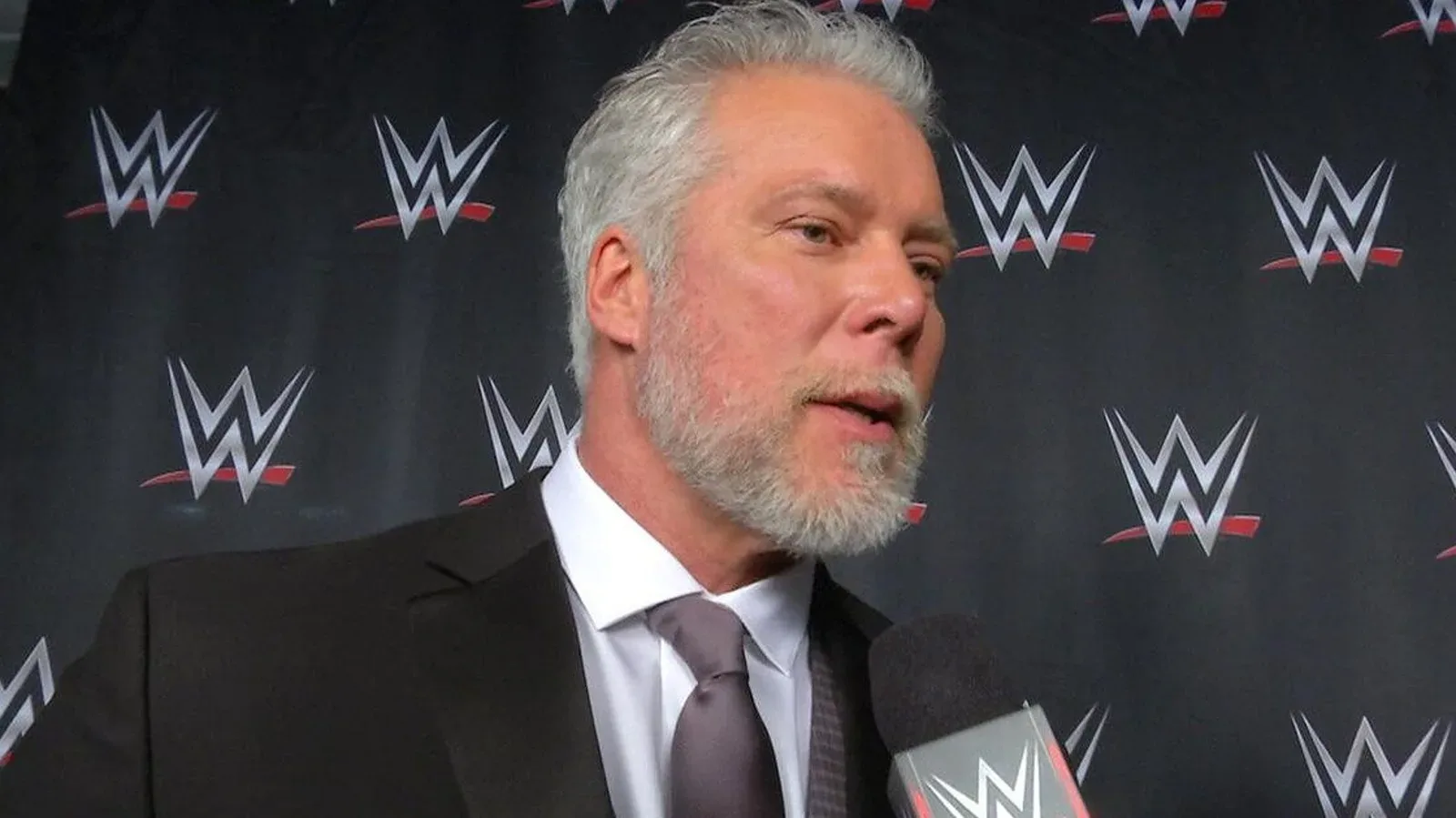
Kevin Nash can imagine a scenario in which he offers WWE some creative input, particularly if the work could be done remotely and centered on discussing wrestling rather than navigating the business-side material that accompanies a major corporate operation. But the WWE Hall of Famer does not sound convinced that a formal, full-time creative job—especially on the main roster—would be the right fit at this stage of his life.
Nash addressed the possibility during an episode of Kliq This, where the topic naturally connected him with two of his closest longtime friends in the industry: Paul “Triple H” Levesque and Shawn Michaels. Both have become central figures behind the scenes in WWE. Levesque has been WWE’s Chief Content Officer since 2022, while Michaels serves as Senior Vice President of Talent Development and Creative and oversees the creative direction of NXT.
The prospect is an interesting one on paper. Nash is one of the most experienced major-event performers of his generation, with a career that included high-profile runs in WWE and WCW, multiple world championship reigns, and an influential role in the formation of the New World Order. He also has a long personal and professional history with Levesque and Michaels through the Kliq, the group whose members have remained connected over decades of changing eras in wrestling.
Still, Nash made clear that there is a major difference between casually exchanging ideas and accepting a position that requires daily responsibility for a constantly evolving television product. When he initially considered what a role might look like, he framed it around the possibility of joining discussions from home. “I mean, if it was Zoom, like I could four-hour Zoom every day?” Nash said on Kliq This. “All I’d be doing is turning off the financials and talking wrestling?”
For more background on this topic, read John Cena Spotlights Big Power, Zero Drama Campaign as WWE, AEW and Independent Wrestling News Rolls On.
That answer captured the part of the job that appears to interest Nash. Wrestling creative is built on conversations about characters, rivalries, match layouts, pacing, presentation and the larger direction of performers. A veteran with Nash’s depth of experience has lived through several distinct approaches to that process, ranging from the tightly controlled WWF system of the 1990s to WCW’s changing creative structure during the Monday Night War and the more collaborative elements that have emerged across different promotions over the years.
However, Nash did not present himself as someone ready to simply arrive and begin offering ideas. He stressed that any meaningful contribution would require him to become fully familiar with WWE’s current roster and its product. “The first thing I would have to do is, I would have to completely immerse myself in the product,” he said. “I’d have to be down there, I mean, I’d have to go down. I’d have to sit down, talk to people… You can’t book people that you don’t have a feel for.”
That observation is particularly relevant in WWE’s current environment. The company operates multiple brands with different rosters, developmental systems and storytelling priorities. NXT has its own identity and serves as a major platform for emerging talent, while Raw and SmackDown require weekly long-form stories built around established top stars, title programs and a dense live-event schedule. Even a creative adviser would need a clear sense of who performers are, how they are being presented, what audiences are responding to and where individual acts can realistically go next.
Nash’s comments suggest he understands that the assignment would demand more than broad memories of how wrestling worked during his own peak years. New talent would need to be watched closely. Personalities would need to be understood beyond their in-ring highlights. The company’s current storytelling rhythm, promotional goals and audience expectations would all matter. For Nash, that level of immersion seems to be a prerequisite rather than an optional extra.
The former Diesel did leave open the idea that a role connected to NXT or the WWE Performance Center could be more plausible. Those environments could potentially allow a veteran of his stature to work with developing performers, discuss the mechanics of television wrestling and offer perspective on character presentation. Nash has spent decades as one of wrestling’s most recognizable big men, and his experience could be valuable to athletes learning how to use size, timing, confidence and verbal presence as part of a complete act.
Yet Nash’s tone changed when the discussion turned to the prospect of working on main roster creative. His answer was emphatic: “For me? No.” He explained that his own personality could make him a difficult fit in the structure required for a role working closely with Levesque. “I’m kind of a j***-off, I like to laugh, and I think I would irritate Paul,” Nash said.
It was a candid response, and it reflects a reality often overlooked when fans discuss former wrestlers moving into creative positions. Familiarity and friendship do not automatically translate to an effective workplace arrangement. WWE creative, particularly at the main roster level, is a demanding operation with substantial pressure attached to every weekly episode and premium live event. It requires constant revision, extensive coordination and decisions that can affect dozens of performers at a time. A person can have strong instincts for wrestling while still not enjoying the discipline, schedule or management demands of a full-time executive role.
Levesque and Michaels have each taken on those responsibilities in different capacities. Levesque’s role places him at the center of WWE’s broader content direction, while Michaels has overseen NXT’s evolution as both a developmental system and a standalone television brand. Their long friendship with Nash gives the idea of a collaboration obvious appeal to fans, but Nash’s remarks indicate that he recognizes the distinction between being a trusted friend with decades of knowledge and being a daily member of the creative staff.
There is also an age and lifestyle factor in Nash’s thinking. He ultimately acknowledged that he does not particularly want to work at this point, noting that he is 67 and older than both Levesque and Michaels. That does not necessarily rule out every future WWE appearance or limited advisory capacity. Wrestling has frequently found ways to bring respected veterans into short-term projects, documentary work, special segments and occasional developmental sessions without requiring them to adopt a full-time office schedule.
But a sustained creative position would be another matter entirely. It would mean accountability to the company’s production cycle, ongoing preparation and a willingness to stay immersed in talent and stories every week. Nash’s own description of the process suggests he would not want to do the job halfway. If he were to contribute, he believes he would need to know the people being booked and understand the product from the inside rather than offer detached suggestions.
That standard is notable because it emphasizes an often essential principle of wrestling creative: the most useful ideas are tied to the people expected to execute them. A storyline may sound compelling in the abstract, but its success depends on the wrestlers involved, their strengths, their audience connection and their ability to make the material believable. Nash’s point that “you can’t book people that you don’t have a feel for” speaks directly to that challenge.
For now, there is no indication that Nash is preparing to join WWE creative in any capacity. His comments were more a reflection on what such an opportunity would require than an announcement of plans. He appears intrigued by the chance to talk wrestling with longtime friends and potentially lend experience in the right setting, but far less interested in the responsibilities that come with an official main roster role.
That leaves the idea as an entertaining hypothetical rather than an imminent change behind the scenes. Nash remains a major voice from one of wrestling’s most consequential generations, and his perspective would undoubtedly draw attention if WWE ever chose to use it in a structured way. Based on his own assessment, though, any role would need to be flexible, carefully defined and compatible with the fact that he is not looking to begin a demanding new full-time chapter at 67.
In pictures

Darryl Polo
Darryl Polo is a passionate wrestling fan covering WWE, AEW, TNA and beyond. He loves great rivalries, breakout stars and the moments that keep fans talking long after the bell. How we work.