
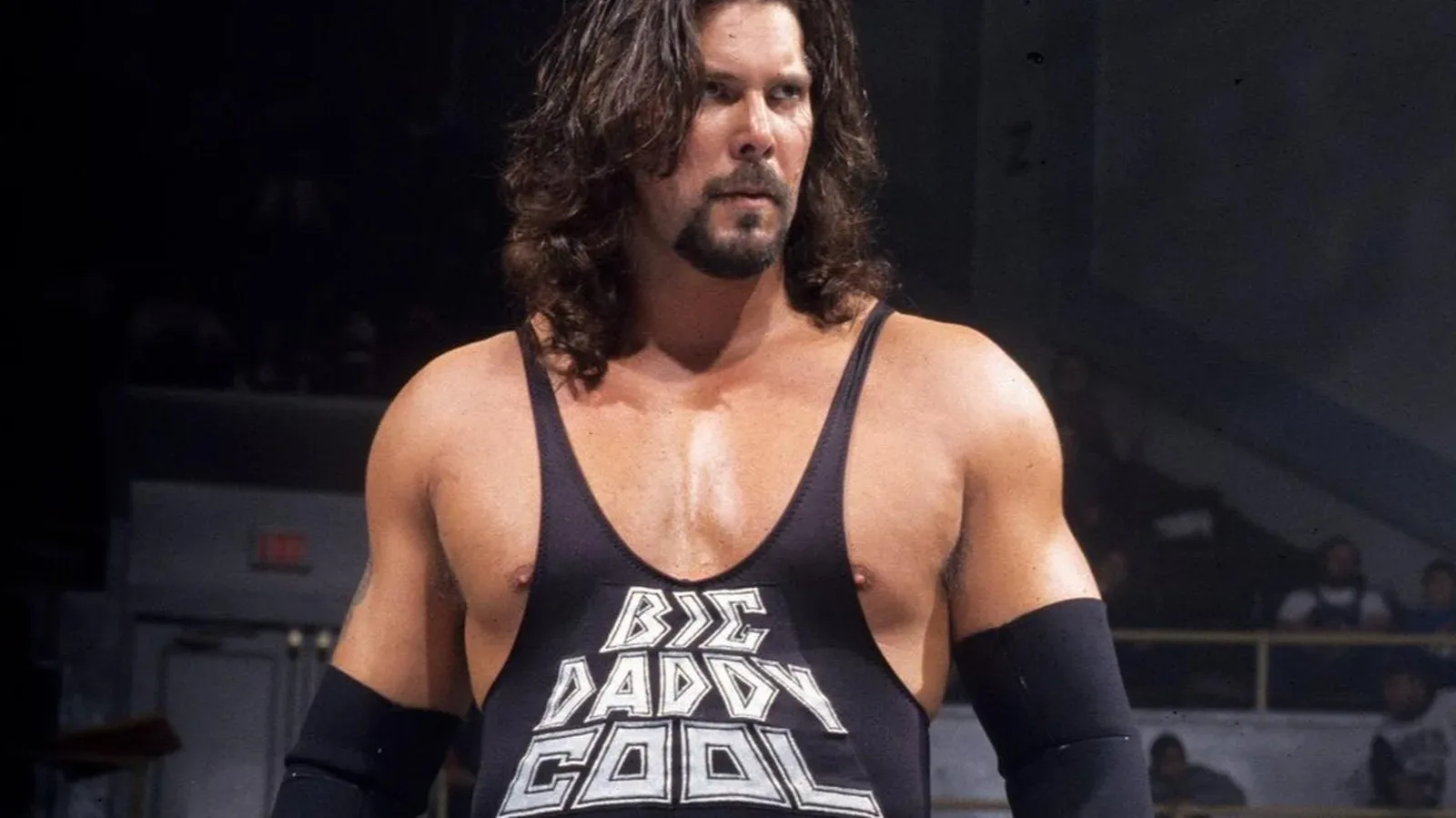
Kevin Nash’s career has never lacked for imposing labels. From his towering physical presence to his championship history in WWE and WCW, Nash built an identity around being larger than life. Two names in particular have remained inseparable from his legacy: “Big Daddy Cool” and “Big Sexy.”
While both nicknames have been repeated for decades by fans, commentators, and fellow wrestlers, Nash recently addressed how each one actually came to be. Speaking on Kliq This: The Kevin Nash Podcast, the two-time WWE Hall of Famer responded to a fan question about whether “Big Daddy Cool” had been intended as a tribute to Big Daddy Kane.
Nash made clear that there was no connection between his nickname and the reggae artist. Instead, he credited one of wrestling’s most respected performers and personalities, the late Curt Hennig, with giving him the name.
“No, ‘Big Daddy Cool’ was what Curt Hennig called me. I got that nickname from Curt,” Nash said.
For more background on this topic, read Bron Breakker Becomes First Man to Qualify for WWE Money in the Bank.
The explanation offers a simple answer to a question that has apparently followed Nash for years. It also adds another personal connection to the nickname, given Hennig’s own lasting standing in wrestling as Mr. Perfect. Nash and Hennig were linked during their respective wrestling careers, and Nash’s recollection places the origin of “Big Daddy Cool” squarely with his former colleague.
Curt Hennig’s Mark on a Lasting Kevin Nash Identity
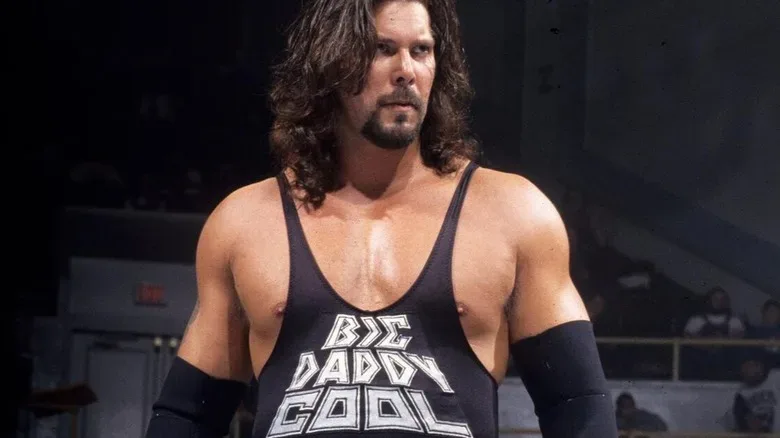
“Big Daddy Cool” became an especially familiar part of Nash’s presentation during the Diesel era in WWE. The name suited a performer whose look, size, and confidence made him stand apart from much of the roster. Nash did not need a lengthy explanation for the moniker to work; it conveyed the kind of presence his character was intended to project.
In wrestling, the most durable nicknames are often the ones that immediately tell audiences something about the performer. They can suggest power, attitude, personality, or status before a wrestler even speaks. For Nash, “Big Daddy Cool” carried a combination of swagger and intimidation that fit his on-screen persona.
It is also a reminder that not every famous wrestling name begins as a carefully planned corporate creation. Sometimes a phrase catches on because a fellow wrestler sees something in another performer and gives it a memorable description. In Nash’s case, Hennig’s wording became part of the vocabulary surrounding one of the most recognizable big men of his generation.
Nash’s comments did not diminish the nickname’s importance simply because he did not originate it himself. If anything, they clarified why it has endured. “Big Daddy Cool” was not merely a marketing slogan attached to him; it was a name born from a real relationship and then adopted by an audience that associated it with Nash’s ascent.
‘Big Sexy’ Was Nash’s Own Creation
If “Big Daddy Cool” came from Curt Hennig, “Big Sexy” came directly from Nash himself. He explained that he came up with the nickname with a straightforward goal in mind: creating a marketable identity and selling merchandise.
“[And ‘Big Sexy’] I came up with that. I said, ‘F***, I’m just going to call myself ‘Sexy’ and sell some merch,’” Nash said.
The bluntness of that answer is very much in line with the confidence that defined Nash’s public persona. Rather than presenting the name as something deeply complicated, he described it as a practical and self-aware branding choice. It was a phrase designed to grab attention, fit his attitude, and give audiences another memorable way to identify him.
That decision reflects an important part of Nash’s appeal throughout his career. He understood the value of being distinctive. In an industry built on characters and instantly recognizable presentations, a nickname can become an extension of the wrestler’s voice. “Big Sexy” was provocative, humorous, and unapologetically confident, which made it an effective match for Nash.
The name also demonstrated that wrestling personas do not always have to be presented with complete seriousness to be successful. There was a knowing quality to “Big Sexy,” but the nickname still worked because Nash had the size, charisma, and presence to carry it. It was not simply a phrase on a shirt or in a ring introduction. It became one more piece of a larger Kevin Nash identity.
Two Nicknames, Two Different Paths
Nash’s explanation distinguishes the origins of the two terms while showing why both became so closely associated with him. “Big Daddy Cool” was a name handed to him by Curt Hennig. “Big Sexy” was a name Nash intentionally adopted as part of his own promotional approach.
Despite arriving from different places, both phrases ultimately served a similar purpose. They reinforced the image of a wrestler who was meant to feel important whenever he appeared. Nash’s career included major success in WWE and WCW, along with a central role in the New World Order, and his nicknames helped frame that success with a personality audiences could immediately understand.
For performers, a name can outlive a particular era, championship, or storyline. Nash’s comments underline that point. The words “Big Daddy Cool” and “Big Sexy” still prompt an immediate association with him because they have remained part of his legacy long after the moments that first made them famous.
They also represent two sides of professional wrestling’s creative process. One was organic, emerging from a peer’s nickname for Nash. The other was strategic, created by Nash himself with merchandise in mind. Together, they show how a lasting wrestling identity can be formed through both personal relationships and a wrestler’s understanding of his own value as a character.
Raquel Rodriguez Carries a Familiar Phrase Forward
Nash’s nickname history has also found a modern connection in WWE through Raquel Rodriguez. The WWE Women’s Intercontinental Champion has used the name “Big Mami Cool,” giving her own spin to a phrase long associated with Nash.
Rodriguez’s version is not presented as a simple repetition of Nash’s branding. It is her own nickname and her own WWE identity, but the connection is clear enough that it has drawn Nash’s attention. Nash has publicly praised Rodriguez for carrying his legacy into a newer generation through the widely recognized moniker.
His support has extended beyond the nickname itself. Nash has also commended Rodriguez’s work ethic in WWE and has described her as a major player in the sport. That endorsement is notable coming from a performer whose career was built around commanding attention and presenting himself as a top-level attraction.
The “Big Mami Cool” name demonstrates how wrestling language can evolve over time. A phrase identified with one major star can inspire another performer years later, while still being reshaped to fit a new character. Rodriguez has brought her own meaning to the name, and Nash has expressed appreciation for that continuation rather than treating it as an imitation.
Nash’s Brand Remains Instantly Recognizable
Kevin Nash’s latest comments may settle a specific piece of trivia about “Big Daddy Cool,” but they also highlight the staying power of his overall presentation. His names were memorable because they matched the person audiences saw on screen: confident, imposing, charismatic, and fully aware of how to make an impression.
Hennig’s contribution gave Nash one of the most recognizable labels of his WWE career. Nash’s own “Big Sexy” decision showed an instinct for promotion and audience connection. Decades later, both names remain part of the conversation whenever his career is discussed.
And through Rodriguez’s “Big Mami Cool” persona, one part of that legacy continues to surface in the current WWE landscape. For Nash, the origin stories are uncomplicated: one nickname came from Curt Hennig, and the other came from his own desire to create a marketable phrase. Their impact, however, has lasted far beyond the moment either name was first spoken.
In pictures
Darryl Polo
Darryl Polo is a passionate wrestling fan covering WWE, AEW, TNA and beyond. He loves great rivalries, breakout stars and the moments that keep fans talking long after the bell. How we work.