
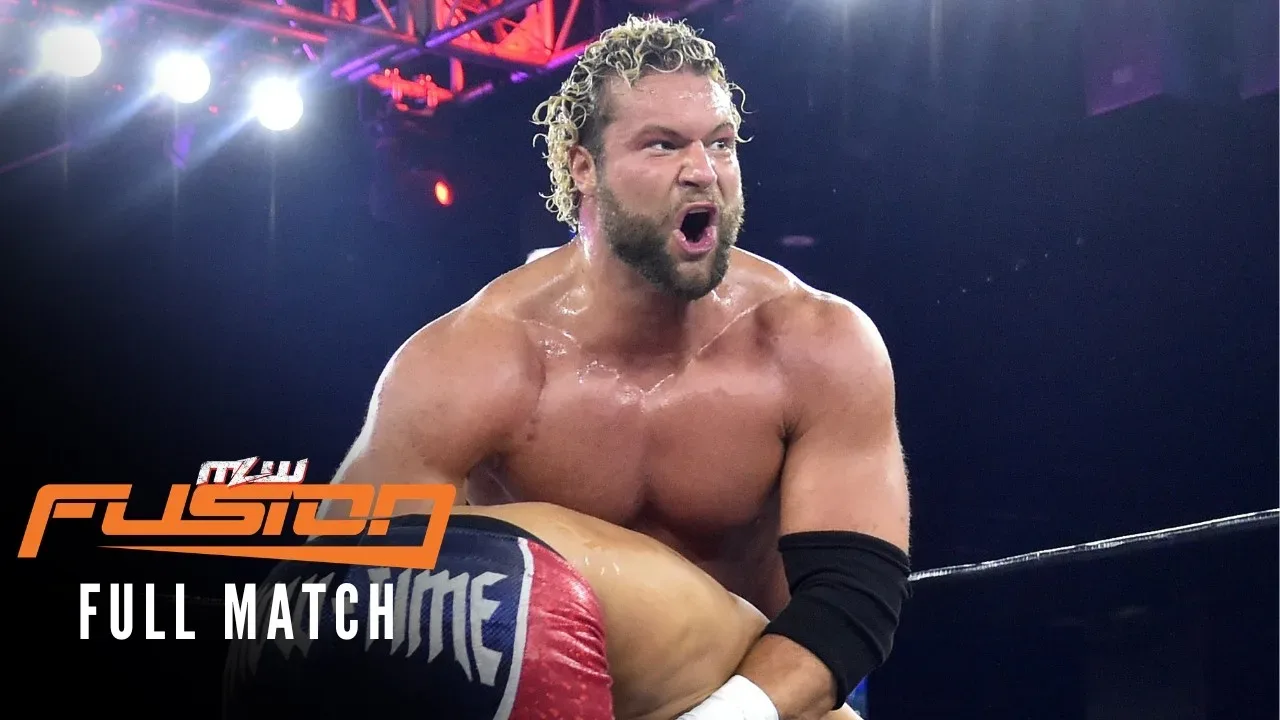
Josh Bishop’s connection to Westside Gunn’s Heels Have Eyes album artwork has become one of the more distinctive intersections between independent wrestling culture and hip-hop in recent memory. The wrestler, whose profile has continued to grow, was featured when Westside Gunn updated the covers for the Heels Have Eyes albums in late 2025, replacing the previous artwork with a variety of images of Bishop.
For Bishop, the moment has been both flattering and amusing. Speaking with The Wrestling Classic, he addressed the reaction to the artwork, the attention it has brought him, and the playful criticism it can generate among fellow wrestlers behind the scenes.
“It’s cool and it’s just funny. It’s just cool, it’s funny because then of course you hear people try to chirp about you in the locker room because of it. It’s like, okay, what album are you on? What vinyls are you signing? None, because nobody cares about you because you’re a jabroni.”
The quote captures the confidence that has helped make Bishop a compelling figure in wrestling. Rather than treating the album-cover placement as a novelty to be downplayed, Bishop has embraced it as a genuine accomplishment. In an industry where presentation, identity, and the ability to connect with an audience all matter, being selected for prominent artwork tied to an artist with a strong wrestling sensibility is an unusual form of exposure.
For more background on this topic, read Wrestling Open RI Results: Bryce Donovan Targets Bear Bronson, Liviyah Wins Six-Woman Rumble.
A Wrestling Image Beyond The Ring
Professional wrestling has long existed alongside music, fashion, and wider pop culture, but the Westside Gunn and Josh Bishop connection carries a particular appeal because it is rooted in wrestling imagery. Westside Gunn has developed a highly recognizable creative world around his music and visual presentation, and the decision to place Bishop on updated Heels Have Eyes covers put the wrestler in front of listeners and collectors who may not otherwise encounter him through a traditional wrestling broadcast or event poster.
The impact is also tangible in the physical-media space. Bishop referenced vinyl signings in his comments, highlighting that the artwork did not simply circulate online for a short-lived social-media reaction. It placed him on releases that fans can collect and hold onto. That makes the association feel more permanent than a single post, a brief cameo, or a passing mention.
For a wrestler building momentum, visibility outside the standard wrestling ecosystem can be valuable. It offers another entry point for potential fans and gives existing supporters a memorable piece of imagery to associate with the performer. The association can also reinforce a wrestler’s presentation. Bishop’s reaction makes clear that he sees the placement as something he has earned the right to celebrate, particularly when locker-room banter arrives.
His use of the word “jabroni” adds a wrestling-specific edge to the response. The phrase is part of the sport’s vocabulary and fits the competitive atmosphere Bishop described. Wrestlers routinely needle one another, whether the topic is matches, opportunities, merchandise, social reach, or any other sign of attention. Bishop’s answer turns the teasing into a simple challenge: his image is on the records, and that is a distinction the critics cannot claim.
Bishop Turns Attention Toward A Championship Opportunity
The attention around the Westside Gunn artwork comes as Bishop prepares for a major opportunity in Major League Wrestling. He is set to challenge Killer Kross for the MLW World Heavyweight Title at MLW SuperFight.
A world title match naturally changes the stakes around any wrestler’s current visibility. The album-cover conversation is separate from what happens in the ring, but it provides a backdrop for Bishop as he heads into a match that could define the next stage of his run. A championship challenge is the kind of moment where a performer has the chance to turn recognition into a major in-ring statement.
Killer Kross enters the bout as the MLW World Heavyweight Champion, meaning Bishop will be pursuing the biggest prize in the promotion. The title represents the top of the MLW hierarchy, and a match for it is an opportunity to demonstrate that a wrestler can thrive under the pressure and scrutiny that accompany a main-event-level setting.
Bishop’s comments about the Heels Have Eyes covers do not suggest he is distracted from that task. If anything, they show a performer comfortable with attention and willing to use outside recognition as fuel. That mindset can matter when a wrestler is placed in a prominent championship situation. Fans will have their own expectations, and Bishop will be looking to meet the moment against a champion as formidable as Kross.
Why The Crossover Resonated
The wrestling community’s embrace of the artwork reflects the way fans increasingly follow performers across multiple spaces. A wrestler’s career is no longer viewed exclusively through match results and television appearances. Fans also respond to visual culture, merchandise, music affiliations, interviews, and the broader personality a wrestler projects. In Bishop’s case, the Westside Gunn covers offered an especially clear and visually memorable extension of his identity.
There is also an authenticity to a connection that does not need to be overexplained. The updated artwork speaks for itself: Bishop’s photos became the images associated with the Heels Have Eyes releases. For supporters, that is easy to understand and easy to celebrate. For Bishop, it has become a useful answer when others attempt to minimize the significance of the moment.
Not every wrestler will receive an opportunity that reaches a collector-driven music audience in this way. That scarcity is part of why Bishop’s response is so direct. His point is not merely that he appeared in an image connected to an album. It is that the placement represents a level of cultural recognition that cannot be replicated simply by talking about it in a locker room.
At the same time, Bishop’s remarks retain a sense of humor. He called the situation “cool” and “funny” before delivering the sharp closing line about those who chirp at him. The balance works because he is not pretending the artwork alone determines his standing as a wrestler. He is simply refusing to act as though it is insignificant.
The Next Test At MLW SuperFight
The conversation will soon return to competition. Bishop’s challenge to Killer Kross at MLW SuperFight gives him a chance to add a career-changing accomplishment to an already notable period of attention. Album covers and vinyl signings can elevate a wrestler’s profile, but winning the MLW World Heavyweight Title would create an entirely different level of momentum.
For Bishop, the path forward is straightforward: make the most of the spotlight, carry that confidence into SuperFight, and attempt to take the championship from Kross. The outside recognition has already supplied a memorable talking point. The title match now gives Bishop the chance to make an even louder statement where wrestlers ultimately have to prove themselves: in the ring.
Whether or not he leaves MLW SuperFight with the championship, Bishop’s placement on the updated Heels Have Eyes artwork remains a rare marker of crossover visibility. And as his comments make clear, he has no intention of letting anyone in the locker room convince him otherwise.

Darryl Polo
Darryl Polo is a passionate wrestling fan covering WWE, AEW, TNA and beyond. He loves great rivalries, breakout stars and the moments that keep fans talking long after the bell. How we work.