
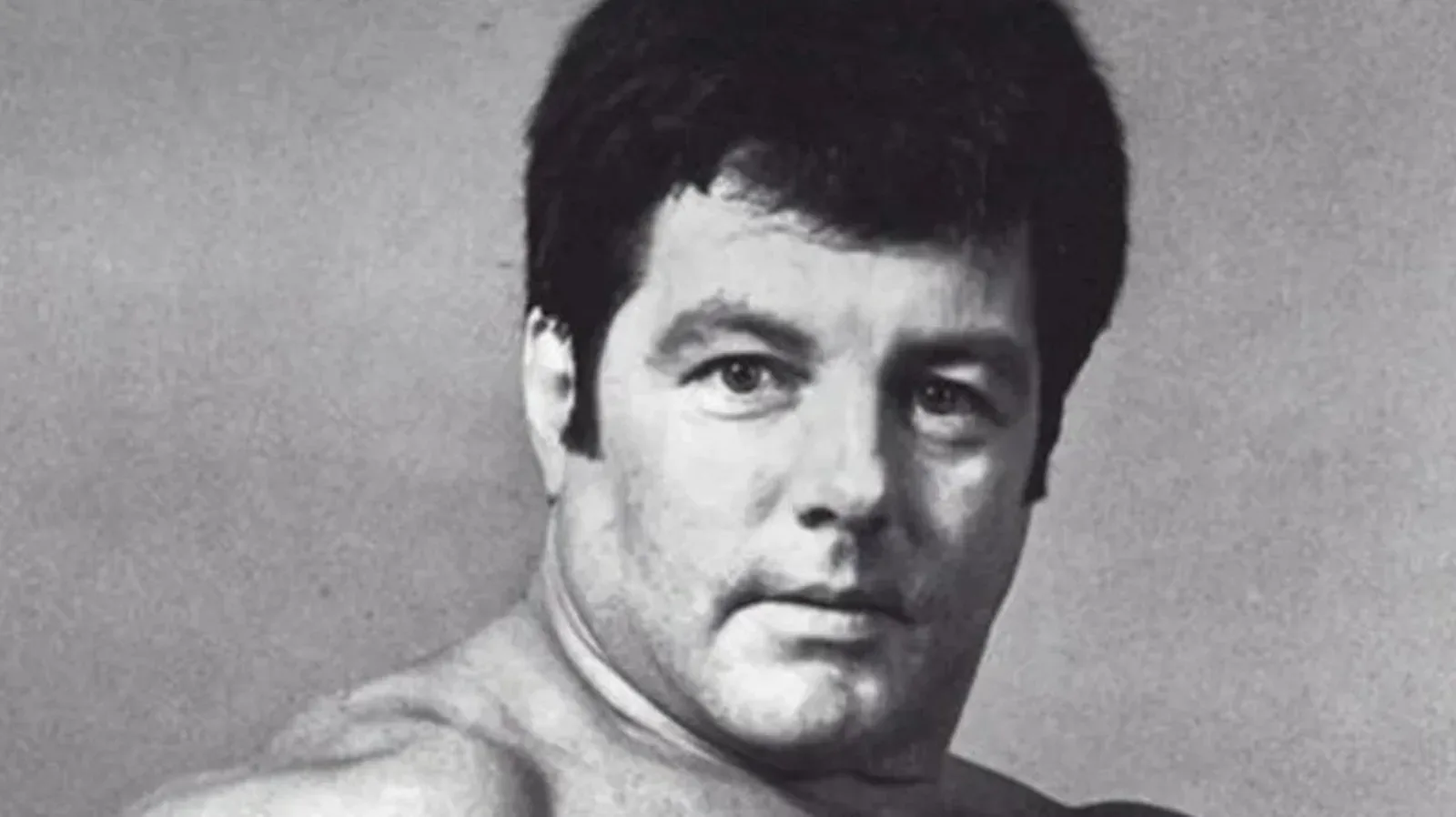
The wrestling world continues to remember “Superstar” Bill Dundee following his death earlier this month at the age of 82. Few figures were as closely identified with a single territory as Dundee was with Memphis, where he became a defining star through his charisma, compact physical style, and unmatched ability to make fans emotionally invest in every rivalry.
Jim Ross, who spent significant time working alongside Dundee in Mid-South Wrestling during the 1980s, offered a personal reflection on their friendship and Dundee’s rare understanding of professional wrestling. Speaking on Grilling JR, Ross described a man whose formal educational background mattered far less than the instincts and intelligence he brought to every wrestling environment.
“We became outstanding friends,” Ross said. “He was ‘Cowboy’s’ [Bill Watts] booker. He wrote the television shows, two, one-hour shows a week... every week, I should say. So, we stayed busy all the time.”
That description speaks to an important portion of Dundee’s career that can sometimes be overshadowed by his legendary Memphis run. While generations of fans knew Dundee as a featured performer, especially through his memorable work in the Memphis territory, he was also a trusted creative force. In Mid-South, Dundee was not simply around the booking process; he held the demanding responsibility of helping construct the promotion’s weekly television output.
For more background on this topic, read Bully Ray Urges LA Knight To Project Certainty Before Roman Reigns Clash At Money In The Bank.
Writing two one-hour programs every week meant working under constant pressure. Television was the lifeblood of the territorial system, serving as the vehicle that established personalities, intensified feuds, promoted ticket-selling matches, and ensured fans would return to the local arena. The work required a sharp understanding of pacing and audience behavior. A booker had to know when to give viewers an answer, when to extend an issue, and when to present the next attraction.
Ross’ recollection of Dundee’s responsibilities under Bill Watts also adds context to why he held the veteran in such high regard. Watts was one of the most forceful and influential promoters in the territory era, and his Mid-South product was known for an intense, sports-driven presentation. Earning Watts’ confidence in a major creative position was a reflection of Dundee’s value behind the scenes as well as in the ring.
“We got to know each other very well,” Ross continued. “He regaled me with stories of his days in the circus as an acrobat in Australia... I treasure those times. I learned a lot about the pro wrestling business from Bill Dundee on ‘Cowboy’s’ watch. So, I had some pretty good tutors there in that respect.”
Dundee’s life before wrestling was as unusual as the personality he eventually brought to the business. His background as an acrobat in Australia helped shape the athletic foundation that would become central to his in-ring style. Though he did not possess the towering size often associated with major wrestling headliners, Dundee’s movement, timing, confidence, and fiery character made him a natural fit for the close-knit, volatile atmosphere of Memphis wrestling.
His stature was never an obstacle in the places where his strengths were fully appreciated. Dundee knew how to generate sympathy as a babyface, provoke an audience as a heel, and make a feud feel personal without needing to rely on an imposing frame. The Memphis crowd responded to emotional stakes, vivid personalities, and angles that felt urgent. Dundee excelled in that environment because he understood precisely how to give an audience what it needed.
Ross believes that understanding extended far beyond a particular territory or era. He said Dundee could be the most perceptive person in the room once the subject turned to professional wrestling.
“Bill is smart,” Ross said. “I don’t know... but I’d bet big money that Bill Dundee did not even graduate from high school. But... oftentimes when in a wrestling environment, [he] was the smartest guy in the room... Just had a great feel for wrestling.”
That “feel” is one of the hardest qualities to teach in wrestling. It is not limited to the ability to perform moves or deliver a memorable promo. It involves sensing the rhythm of a live crowd, recognizing what part of an angle deserves attention, and understanding how to make a fan care about the conflict. Dundee’s career was a testament to that ability. He was a major star because he could connect, but he was also valuable creatively because he knew how to help others connect.
Ross’ comments also revive a longstanding question about Dundee’s career: why a performer of his stature and experience never had a meaningful in-ring run in WWE. Dundee’s name did become connected to WWE in a behind-the-scenes capacity, but he did not get the opportunity to introduce his established in-ring persona to the company’s national audience during the promotion’s 1980s boom.
Ross echoed the view that Dundee’s physical size likely worked against him at a time when WWE’s presentation heavily emphasized larger-than-life athletes. Dundee stood at 5-foot-7, while many of the company’s most prominently featured stars during the Golden Era were well over six feet tall. In an era defined by physically enormous headliners, Dundee did not appear to match the prototype favored by then-WWE Chairman and CEO Vince McMahon.
That does not diminish Dundee’s accomplishments. If anything, it highlights what made them distinctive. He became a top attraction without the size that many promoters regarded as essential. Dundee’s career instead rested on the traits that remain timeless in wrestling: personality, credibility, emotional control, and an ability to turn a segment or match into something audiences felt they had to see through to the end.
McMahon reportedly viewed Dundee as a strong candidate for WWE’s creative and booking operation, a role more directly suited to the knowledge Dundee had developed over decades in the business. Those plans did not come to fruition after a backstage conflict involving WWE Hall of Famer The Undertaker emerged. As a result, the possibility of Dundee bringing his territory-tested creative instincts to WWE was never fully realized.
It remains an intriguing what-if, particularly because Dundee’s experience covered so many aspects of the industry. He understood the responsibilities of the performer, the pressures of television production, the needs of a promoter, and the importance of keeping an audience invested from one show to the next. The wrestling business has changed substantially since the territorial era, but the fundamental lessons Dundee represented have not disappeared.
Ross’ remembrance is especially meaningful because it comes from someone who witnessed Dundee’s mind at work in a professional setting. Their friendship was built not only through shared time in Mid-South, but through the stories, lessons, and day-to-day demands of making wrestling television. For Ross, Dundee was not merely a respected name from a historic region. He was a teacher, a collaborator, and a close friend.
Dundee’s influence will continue to be felt through the wrestlers and bookers who studied the Memphis model, whether directly or from afar. His body of work remains a reminder that wrestling’s greatest performers are not defined solely by size, national exposure, or corporate opportunity. Sometimes they are defined by a deeper gift: the ability to understand the audience, understand the moment, and understand the business better than almost anyone else in the room.
For Jim Ross, that was Bill Dundee’s enduring strength. The “Superstar” was a singular figure whose approach has been copied by many, but whose instinctive feel for professional wrestling remains extraordinarily difficult to reproduce.
In pictures

Darryl Polo
Darryl Polo is a passionate wrestling fan covering WWE, AEW, TNA and beyond. He loves great rivalries, breakout stars and the moments that keep fans talking long after the bell. How we work.