
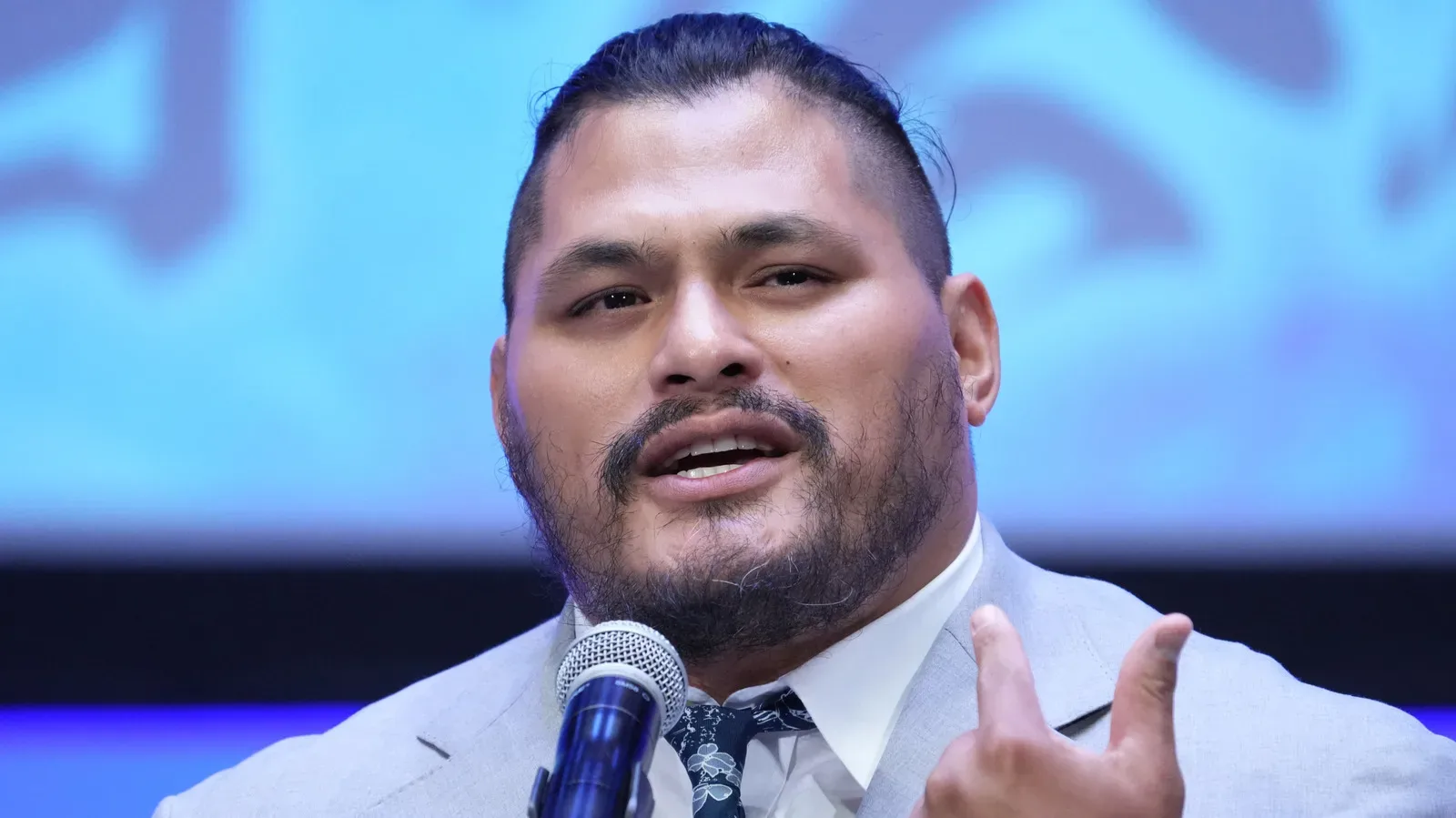
Jeff Cobb had two things he wanted to do in the spring of 2025: finish his scheduled dates with New Japan Pro-Wrestling and make his WWE debut. He believed there was room to do both. Instead, he was taken off the NJPW tour, and the message that could have kept him on it arrived a day after New Japan had already removed him.
Cobb, who became known as JC Mateo in WWE, revisited the move on Insight with Chris Van Vliet. He described two separate decisions that can get blurred together when looking back at his exit. Leaving NJPW was a career choice he had weighed for years. Leaving before the end of the tour was not part of his plan. That came down to conflicting messages about when WWE needed him and a lineup change that NJPW was not prepared to undo.
Why WWE felt like the right move after earlier offers
Cobb had opportunities to join WWE before 2025 and had turned down several offers. He said the timing had not felt right on those earlier occasions, even though working for the company had appealed to him since childhood. WWE was how he got interested in professional wrestling in the first place, and he singled out Hulk Hogan as a major reason he became a fan. The desire to wrestle for WWE was already there; what changed was his willingness to leave an established spot in New Japan to do it.
By the time he spoke with Paul “Triple H” Levesque in 2024, Cobb felt he had reached a plateau in NJPW. He was careful to distinguish that feeling from dissatisfaction with how the promotion had treated him. New Japan had been good to him, he said. The question was whether he wanted to stay where he was or try something he had long imagined doing while the opportunity was available.
For more background on this topic, read Ricky Morton Says His Son Kerry Auditioned for American Idol.
As Cobb recalled the conversation, Levesque put the timing in blunt terms: “It could be now or never.” That was a different way to look at an offer Cobb had previously been comfortable passing up. He decided in 2024 to make the move and debuted for WWE in 2025. By then, the decision to leave NJPW was settled. The remaining question was how to fit his New Japan commitments around the start of his WWE contract.
How Cobb went from having permission to losing his tour dates
Cobb said his WWE contract officially began on April 21. The New Japan tour he was scheduled to work, however, ran through May 3. He brought those dates to Levesque, explaining that he expected to debut at Backlash shortly afterward and asking whether he could finish the tour first. Cobb was approximate about the exact debut date as he recalled the conversation, but the sequence he proposed was clear: complete the NJPW bookings, then start on WWE television.
Levesque initially told him he could work the tour, Cobb said. As the dates approached, Cobb tried to reach him again and was unable to get in touch. He went to Levesque’s assistant instead, a step he now considers a mistake. The message Cobb received through the assistant was that Levesque had changed his mind and that WWE needed him to come in earlier than previously discussed.
Cobb acted on that message and called NJPW’s booking committee. After he explained that WWE needed him sooner, New Japan took him off the tour. At that point, Cobb had heard that the original arrangement was no longer in place, and NJPW had made its own scheduling decision based on what he had told the committee.
Then Levesque got back to him directly. Cobb said the reply came the day after NJPW removed him and conveyed that they could still work out the details. Levesque’s advice, as Cobb recalled it, was to be careful and avoid getting hurt. That left Cobb with the clearance he had been looking for, but without the tour dates he had hoped to keep.
Cobb’s account does not establish why the message from the assistant differed from what Levesque later told him. What it does establish is the order in which Cobb heard from them. Had the direct reply reached him before he spoke to New Japan, he would not have been calling NJPW with the same information. Once the booking committee had acted, however, permission from WWE was only one part of what he needed to get back on the tour.
Hiroshi Tanahashi gave Cobb one last match in New Japan
Cobb contacted NJPW again after hearing from Levesque and asked about returning to the tour. The promotion told him it was too late because the card had already been changed. WWE’s go-ahead addressed whether he was free to work the dates; it did not restore his place on a lineup New Japan had already revised. The full run Cobb originally wanted to finish was no longer an option.
There was still a way for him to get one final appearance. Cobb wrestled Hiroshi Tanahashi in a singles match a few weeks before joining WWE. It was not the tour he had intended to complete, but it meant his removal from those dates did not turn out to be the end of his time in an NJPW ring. The Tanahashi match was arranged even though New Japan did not put him back on the tour.
Cobb also pushed back on the idea that the episode damaged his relationship with the promotion. He said his standing with NJPW was never harmed, and he spoke appreciatively about his time there while explaining why he was ready for something different. His account makes a distinction between New Japan declining to reverse a booking change and the company taking issue with his decision to join WWE. The former is what he described; he did not characterize the exit as a falling-out.
What Cobb lost in the shuffle was the chance to finish his scheduled run, not the chance to say goodbye in the ring. He still got the Tanahashi match, and he still made the WWE move he had discussed with Levesque the previous year. The change in promotions was deliberate. The abbreviated farewell, in Cobb’s telling, came down to when two different messages reached him and what New Japan had already done by the time the second one arrived.
In pictures

Darryl Polo
Darryl Polo is a passionate wrestling fan covering WWE, AEW, TNA and beyond. He loves great rivalries, breakout stars and the moments that keep fans talking long after the bell. How we work.