
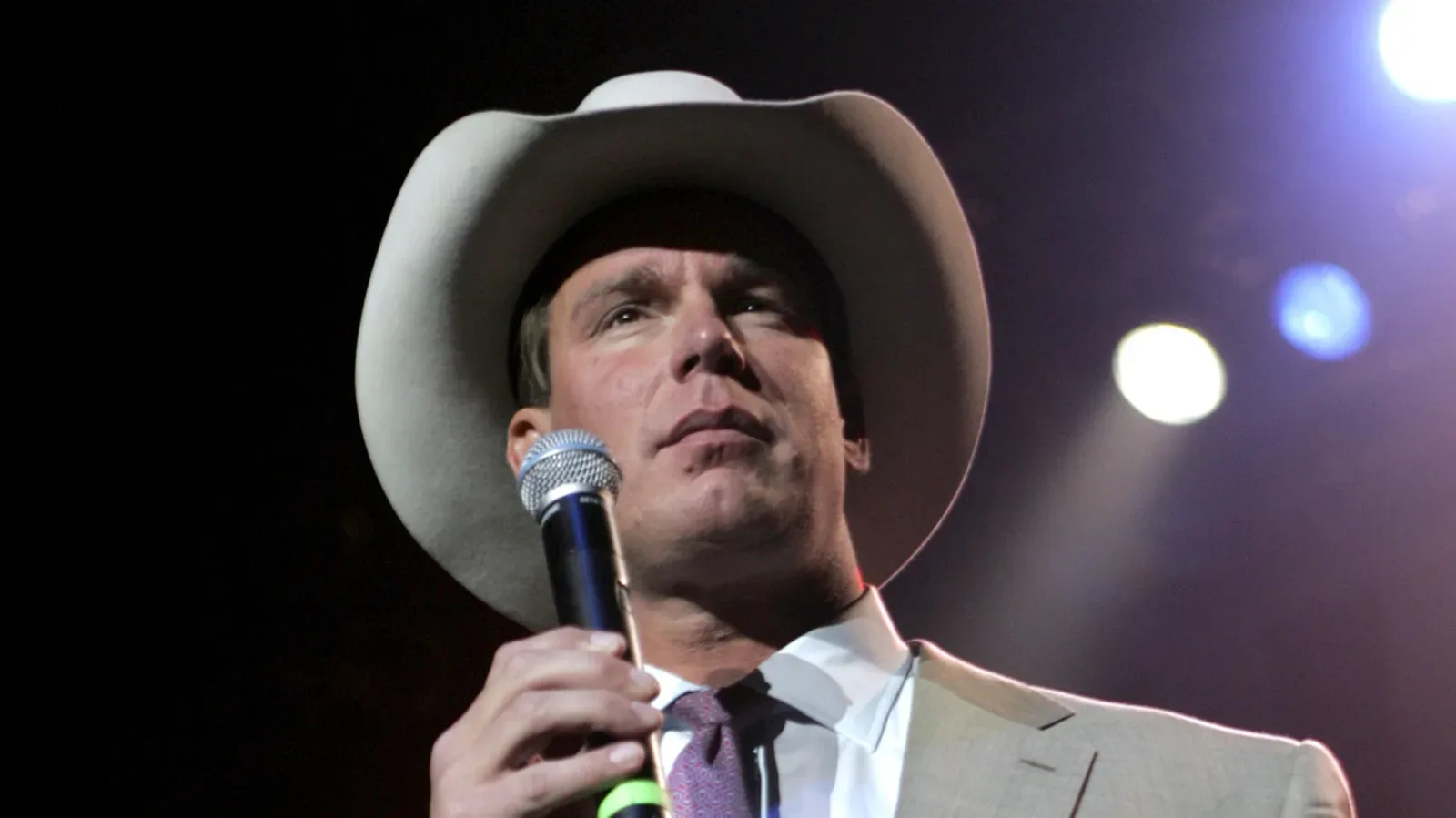
JBL has offered pointed advice to former WWE star Aleister Black, now once again working under the name Tommy End, after the wrestler publicly described his most recent WWE tenure as “a dud of a year.” The WWE Hall of Famer understands why a performer might be upset after a release, but he believes airing those frustrations in interviews can create consequences long after the initial disappointment has passed.
Speaking on Something to Wrestle, JBL addressed Black’s comments and framed the issue less as a question of whether the former WWE performer has a reason to be frustrated and more as one of career strategy. In JBL’s view, talent should protect relationships on the way out of a company, particularly in an industry with a relatively small number of high-level employers.
“I don’t know if Aleister is burning this bridge or not, but it certainly is not a way to keep an amicable relationship with guys,” JBL said. “You know, when you’re throwing them under the bus when you’re leaving.”
JBL compared the situation to advice he received from his father: when it is time to leave a job, take your belongings, shake hands, and walk away. He said that approach remains especially valuable in professional wrestling, where executives, promotions, and working relationships can reappear in unexpected ways years later.
For more background on this topic, read Shawn Michaels Unveils Drake’s ‘Shabang’ as WWE NXT’s New Opening Theme.
The former WWE Champion stressed that performers do not have an endless list of major opportunities available to them. He specifically referenced the importance of not alienating figures such as AEW President Tony Khan, WWE Chief Content Officer Paul “Triple H” Levesque, or WWE President Nick Khan. JBL did not claim that Tommy End has definitively damaged any of those relationships, but he questioned why a wrestler would want to take that risk in a business where bridges can matter greatly.
“You think about what there is out there, there’s not that many places to make it in sports entertainment,” JBL said. “And if you’ve alienated Tony Khan, I don’t know if he has or not, or if you alienate Triple H or Nick Khan, that’s WWE. I don’t know why you would want to do that. Just leave.”
JBL’s Advice: Do Not Speak While Angry
JBL’s central argument was that anger can lead to comments that feel satisfying in the moment but can be interpreted as bitterness by people listening from outside the situation. He said a performer who has just been released should avoid interviews until emotions have settled, rather than immediately revisiting every frustration surrounding creative direction, opportunities, or management decisions.
“I get you’re mad; don’t do interviews when you’re mad,” JBL said. “Nothing good ever comes of it. All that comes across is that you’re bitter, you know?”
It is a perspective rooted in an older-school philosophy of wrestling professionalism. For JBL, a departure does not need to become a public dispute even when the performer believes the company mishandled them. A wrestler can privately carry disappointment, believe they were underused, and still avoid creating public tension that may affect a future conversation with the same employer.
That does not necessarily mean Tommy End’s assessment of his WWE return was inaccurate. The wrestler spent a little more than five months after his release before offering his view of that run, and his description of it as a disappointing year reflected his own experience. A talent is entitled to evaluate their career honestly, particularly after a release has ended their immediate relationship with the promotion.
The larger debate is whether honesty and professional self-preservation are in conflict. JBL believes they can be, at least when criticism is delivered in a way that appears to assign blame or publicly criticize the people who made the decisions. His comments were not a direct confirmation that WWE has shut the door on a Tommy End return. Instead, they were a warning that public remarks can affect how decision-makers view a talent if business brings the two sides back to the table.
A Complicated History Between WWE and AEW
The discussion carries additional weight because Tommy End’s path through the industry has already included major stops in both WWE and AEW. Before returning to WWE, he had a polarizing departure from AEW. Since then, there have been suggestions from people connected to AEW that a return to that promotion may not be welcomed.
That history makes JBL’s warning about maintaining options more understandable from his standpoint. If a performer’s relationship with one major promotion is strained and the relationship with another promotion ends in a release, every public statement about either situation can draw extra scrutiny.
Still, the precise state of Tommy End’s relationships with AEW and WWE remains uncertain from the outside. Wrestling is full of stories about talent leaving, criticizing a company, and eventually returning. It is also full of stories in which a seemingly permanent split later becomes a new negotiation after personnel, creative priorities, or business conditions change. A difficult exit does not automatically make a future return impossible.
Tommy End’s prior AEW exit has been the subject of significant discussion. There were reports and widespread stories that WWE had attempted to persuade him to leave AEW years earlier. It was also suggested that he may have nearly departed in 2022 before Tony Khan prevented it. Claims later emerged that he may have declined to lose matches while seeking an exit from his agreement, an allegation he has denied. The full details of those events have never been definitively established in public, and the competing accounts leave room for different interpretations.
What is clearer is that he eventually did return to WWE, only for that comeback to last roughly a year before he was released. His wife was also released. From the wrestler’s perspective, that sequence could reasonably add to the frustration behind his comments. If he believed leaving AEW offered a better long-term opportunity in WWE, then a brief and underwhelming second WWE run would understandably feel like a major setback.
Why Tommy End’s Frustration Is Understandable
There is also a broader issue in the reaction to wrestlers speaking candidly about their employers. Performers are regularly asked about their releases, creative disappointments, unused ideas, and backstage experiences. When they answer directly, they can be criticized for being negative. When they avoid the topic, they can be criticized for giving guarded answers. It is not unreasonable for a wrestler to explain why a significant part of their career did not meet their expectations.
Calling a WWE run “a dud of a year” is clearly a blunt assessment, but it is also an assessment of his own experience. Tommy End was the person whose career momentum, presentation, and future plans were affected by the booking and eventual release. He is not obligated to present a positive version of events simply to make the departure appear smoother.
At the same time, JBL’s practical point is not without merit. Wrestling is unusually relationship-driven, and the people running major promotions can change their minds about talent over time. A future WWE return may not be imminent, and there is no indication that one is currently being discussed. But preserving a professional relationship can matter even when a reunion feels unlikely.
The balance between those positions is difficult. A wrestler should be free to voice disappointment without being treated as though any criticism is career-ending disloyalty. Yet performers also have to decide whether a public interview is the best setting for comments that could be replayed and reinterpreted whenever another contract opportunity emerges.
Tommy End Moves Forward on the Independent Scene
For now, Tommy End has moved forward outside WWE and has returned to the ring name he used before becoming Aleister Black. He has been competing on the independent circuit, giving him a platform to rebuild momentum and shape the next stage of his career on his own terms.
His situation also underlines the uncertainty that follows any major wrestling release. A release can be the end of one run, a temporary detour, or the beginning of a more creatively fulfilling chapter elsewhere. The answer often depends on factors beyond one interview or one public comment: match quality, availability, audience interest, business needs, and the evolving priorities of major promotions.
JBL’s message was clear: leave a company respectfully and avoid speaking from a place of anger. Tommy End’s perspective is equally clear in its own way: his latest WWE experience did not live up to what he hoped it would be. Whether those comments ultimately affect his future options remains unknown, but they have opened a familiar wrestling conversation about the difference between protecting bridges and telling the truth about a disappointing professional experience.
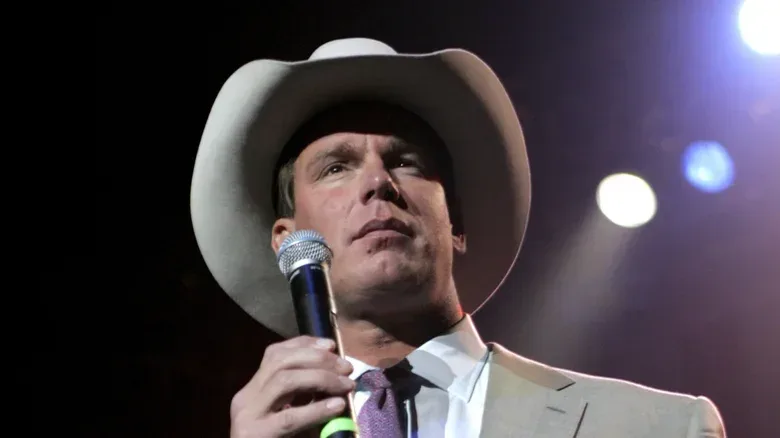
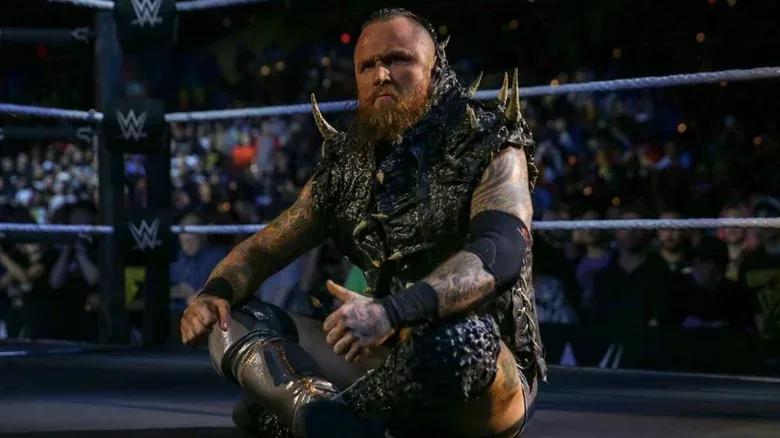
In pictures

Darryl Polo
Darryl Polo is a passionate wrestling fan covering WWE, AEW, TNA and beyond. He loves great rivalries, breakout stars and the moments that keep fans talking long after the bell. How we work.