
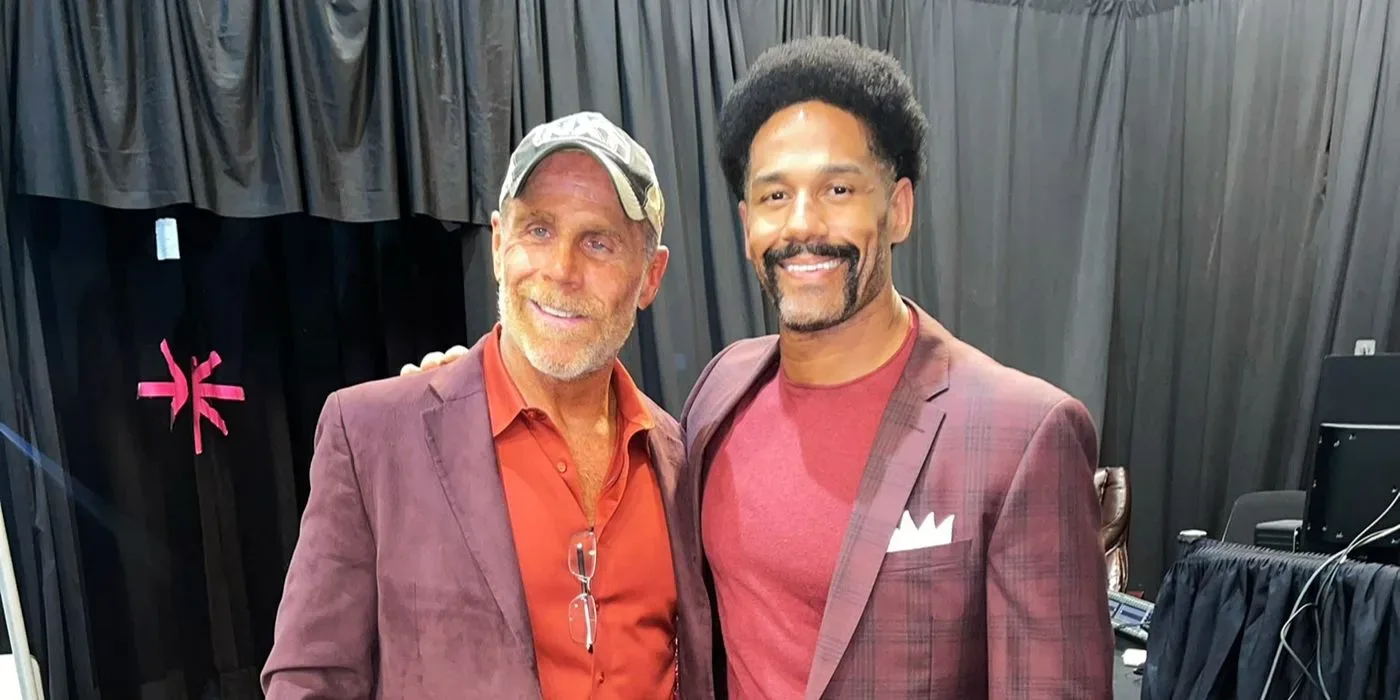
Fred Rosser has announced that he is back with WWE in a new role, revealing that he is now coaching at the WWE Performance Center.
Rosser, who performed for WWE under the name Darren Young, shared the news in a social-media post marking nine years since his release from the company. The announcement represents a significant full-circle moment for the veteran, who spent more than a decade connected to WWE as a performer before departing in 2017.
“Nine years ago today, I was released from @WWE. Today, I’m back at @wwenxt, fighting back tears of joy every time I pull up to the Performance Center and grateful for the opportunity to give back to the next generation,” Rosser wrote.
View the referenced post on X
Rosser indicated that his focus is now on helping aspiring WWE talent develop within the company’s NXT and Performance Center environment. He also emphasized that the position gives him an opportunity to observe what WWE is seeking in current prospects while sharing the experience he gained during his own journey through the system.
For more background on this topic, read Xelina Details Scrapped Chelsea Green Storyline After WWE Women’s United States Title Win.
A Return Nine Years After His WWE Release
Rosser’s post placed particular emphasis on the date of his return. He was released by WWE in 2017, and he described the opportunity to come back as an emotional one. Rather than returning as an in-ring competitor, he is entering a coaching setting at the facility where WWE prepares and evaluates much of its emerging talent.
The Performance Center serves as a major part of WWE’s talent-development structure. Wrestlers working there are able to learn from coaches, refine their in-ring work, adapt to WWE’s production expectations, and prepare for opportunities across the NXT and main-roster landscape. Rosser’s new role positions him to contribute directly to that process.
“I’m always hearing what WWE is looking for NOW I’m able to see it for myself and be a sponge in this environment,” Rosser wrote. “I once stood in this environment, beating on my craft alongside incredible coaches, and quickly made my way to the main roster. Now, I’m back sharing those experiences and helping shape the future.”
The wording of Rosser’s message reflects both appreciation for the chance and a clear understanding of the transition from performer to mentor. He has firsthand knowledge of the demands facing a wrestler attempting to build a career in WWE, including the adjustment from developmental training to the pressure of performing on nationally televised programming.
His experience also covers different phases of WWE’s developmental evolution. Rosser referenced the “original NXT” in his announcement, distinguishing that earlier version of the brand from the NXT system now centered around the Performance Center. That perspective could be valuable for younger talent navigating a modern developmental environment while learning the fundamentals required to succeed at higher levels.
Rosser’s WWE Career as Darren Young
Rosser was part of the WWE roster from 2005 through 2017 under the Darren Young name. During that run, he became familiar to WWE audiences through several distinct periods of his career, including his involvement with The Nexus.
The Nexus was one of WWE’s most notable groups of its era. Rosser was aligned with Wade Barrett, David Otunga, and other members of the stable, which made an immediate impact after arriving on WWE programming. The group’s presence gave several developing performers a prominent platform and placed them in major storylines early in their main-roster tenures.
For Rosser, that stretch formed part of a WWE run that exposed him to the company’s fast-paced television environment and the challenge of establishing an individual identity within a large ensemble. Those experiences are particularly relevant for a coach working with developing performers, many of whom will be asked to adapt quickly to changing roles, partnerships, and presentation demands.
Rosser’s final WWE match came on an episode of Main Event in January 2017, when he was defeated by Epico. His release followed later that year. Now, nine years after that release, he is returning to the company in a role that allows him to pass on lessons from both his time in WWE and his broader career as a professional wrestler.
What Rosser Brings to the Performance Center
While Rosser did not detail the exact scope of his coaching responsibilities, his announcement made clear that he sees the position as an opportunity to give back. That language is especially notable given the longevity of his connection to the wrestling industry and his familiarity with WWE’s developmental path.
A Performance Center coach can offer more than technical advice. Developing wrestlers need to learn how to communicate their personalities, respond to feedback, work with a range of opponents and partners, and understand the professional habits expected in a major company. Rosser’s public comments suggest he is approaching the role with an eagerness to learn from the present-day environment as well as a desire to teach.
That balance is important. WWE’s system continues to evolve, and coaches are often required to help talent meet current standards while preserving the core skills that remain central to professional wrestling. Rosser specifically said he intends to be “a sponge” in the environment, signaling that he does not view the assignment simply as a chance to revisit his past. Instead, he is entering the position prepared to absorb what the company wants now.
His own career offers a perspective on resilience as well. Rosser framed the announcement around being released and eventually receiving an opportunity to return in a different capacity. For performers beginning their careers, that is a reminder that professional wrestling paths can change quickly and that a setback does not necessarily close every future door.
“Still No Days Off”
Rosser closed his message with the phrase strongly associated with his persona: “Mr. No Days Off.” The line has long reflected an approach built around persistence and work ethic, and he used it to underline the personal meaning of his return.
“And when you talk about NXT, don’t forget the ORIGINAL NXT! MR. NO DAYS OFF baby! Nine years later, still standing, still inspiring, and STILL NO DAYS OFF! WWE, thank you for the opportunity. You know what time it is? IT’S TIME TO GO TO WORK!”
The statement captures the enthusiasm Rosser feels for the next phase of his relationship with WWE. It is also a direct message to the wrestlers who will potentially work around him at the Performance Center: continued effort matters, and careers can take unexpected but meaningful turns.
Rosser is joining WWE’s developmental ecosystem at a time when NXT remains an important proving ground for performers looking to establish themselves before moving to larger stages. The Performance Center’s coaching staff plays a central role in guiding that process, whether talent arrives with extensive independent experience, athletic backgrounds outside wrestling, or limited time in the business.
For Rosser, the move takes him back to a place that he said helped shape his own rise to the main roster. This time, however, he will be on the other side of the process. Instead of preparing himself for WWE opportunities, he will be helping the next generation pursue theirs.
His return is also a notable milestone in a career defined by adaptability. From his years as Darren Young on WWE television to his place in The Nexus and his final match against Epico on Main Event, Rosser’s history with the company is extensive. His new coaching role adds another chapter to that history, one centered on mentorship, development, and the work of preparing future WWE performers.
Rosser’s message left no doubt about his mindset as he begins the job. Nine years after leaving WWE, he is back at the Performance Center, grateful for the opportunity and ready, in his own words, to go to work.

Darryl Polo
Darryl Polo is a passionate wrestling fan covering WWE, AEW, TNA and beyond. He loves great rivalries, breakout stars and the moments that keep fans talking long after the bell. How we work.