
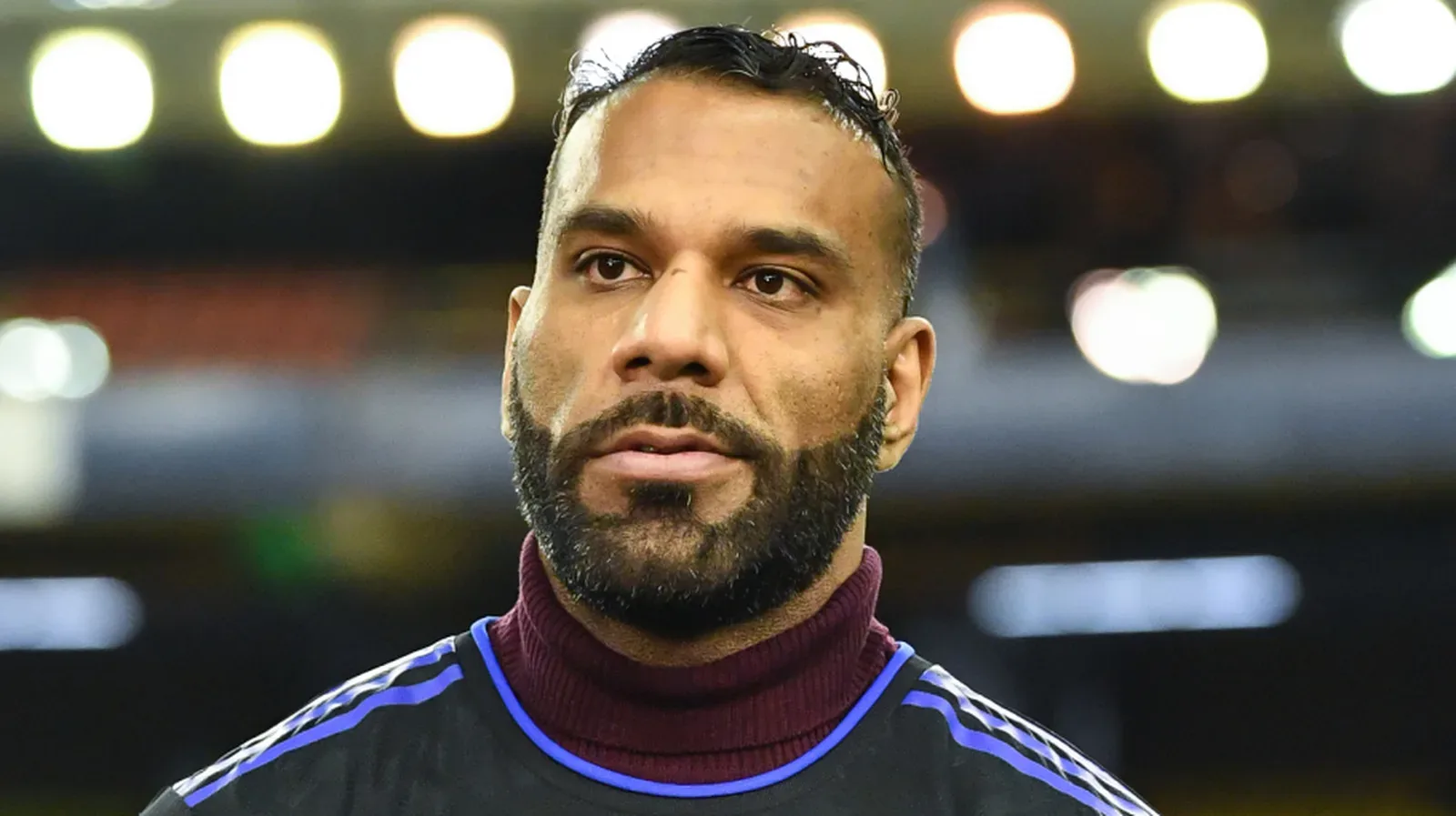
France’s wrestling scene has experienced a remarkable period of growth, with major international promotions making increasingly visible investments in the market. WWE brought Clash in Paris to the country in August, while AEW followed with Grand Slam France in early October. But the largest recent wrestling crowd in France outside of WWE may not have been assembled by a traditional wrestling company at all.
Final Slam, an independently organized event held in Nanterre, in the Paris area, on November 14, reportedly attracted at least 18,000 fans and may have reached as high as 22,000. That range would make Final Slam the biggest independent wrestling show in terms of attendance, while placing it second among recent French wrestling events behind Clash in Paris.
The scale of the event is particularly notable because Final Slam was not built around an established touring promotion or a conventional roster of full-time wrestlers. Instead, the show was driven by French streamers and celebrities, with many of the people involved stepping into a wrestling ring for the first time. The formula brought a different audience into the building and onto the broadcast, creating an event that crossed over between internet entertainment, celebrity competition, and professional wrestling.
A Major Crowd for an Unconventional Wrestling Event
The reported attendance numbers put Final Slam in rare territory for an independent production. Wrestling events of that size are typically the domain of major global companies with extensive television reach, established live-event infrastructures, and rosters that tour internationally. Final Slam’s ability to draw a crowd estimated between 18,000 and 22,000 speaks to the reach of the personalities involved and the appetite for large-scale wrestling presentation in France.
For more background on this topic, read Natalya Wants British Bulldog vs. Bret Hart at SummerSlam 1992 Honored in WWE Hall of Fame.
Nanterre became the setting for a five-match card that ran for more than three hours. The event’s presentation was reportedly designed on an ambitious level, with production intended to evoke the scale and spectacle commonly associated with WrestleMania. That ambition helped distinguish Final Slam from a typical independent event, but it also appears to have come with considerable financial risk.
The event was led by streamer AmineMATue, who was believed to have taken a six-figure loss after the costs of staging the show were calculated. While the attendance was strong and the digital audience was substantial, a packed venue does not automatically translate to profitability when production expenses climb to major-event levels.
That financial reality now clouds the prospect of a second Final Slam. The concept had originally included plans for a follow-up event, but it remains unclear whether those plans will move forward after the reported loss. Even so, the first show has already made a significant statement about the potential for wrestling-adjacent celebrity events in the French market.
Raj Dhesi and Jordan Oliver Add Wrestling Experience
Although the card was centered on personalities with limited or no wrestling experience, Final Slam also included recognizable names from the professional wrestling world. Former WWE Champion Raj Dhesi, widely known to WWE fans as Jinder Mahal, worked the opening match of the night.
Dhesi defeated Djilsi in that opening contest, giving the event a veteran presence from the outset. His appearance provided an immediate connection to mainstream wrestling audiences, particularly given his history as a former WWE Champion. Booking an established performer in the opening bout also helped set the tone for a card that otherwise relied heavily on newcomers and celebrity participants.
AEW and Ring of Honor talent Jordan Oliver was another notable wrestler involved with the show. Oliver has become familiar to independent wrestling viewers through his work across multiple promotions and brought further ring experience to an event built around a very different type of roster.
Bringing in talents such as Dhesi and Oliver was important for Final Slam’s credibility. A celebrity-led wrestling card can attract attention through the names of its participants, but experienced wrestlers remain valuable in helping structure matches, maintain pacing, and ensure that an event is presented as safely and professionally as possible. Their inclusion demonstrated an effort to blend the novelty of the concept with performers who understand the demands of the ring.
Inexperience Was Visible, But the Show Avoided a Collapse
With so many first-time wrestlers involved, Final Slam was never likely to resemble a standard card featuring seasoned professionals in every match. Reports indicated that there were botches during the event and that some performers became visibly fatigued. Those issues are unsurprising for a show asking inexperienced personalities to perform in front of an audience of that magnitude, with the added pressure of television and a major Twitch broadcast.
Still, none of the matches reportedly deteriorated into a complete disaster. That is a meaningful outcome under the circumstances. Wrestling requires a combination of athletic conditioning, timing, communication, trust, and audience awareness that usually takes years to develop. Asking newcomers to learn those skills while also performing on a production of Final Slam’s size was an enormous undertaking.
The overall reaction was said to be positive, with many viewers coming away satisfied by the event. That suggests Final Slam’s appeal was never solely dependent on executing a technically flawless traditional wrestling card. The audience was also responding to the personalities involved, the scale of the production, and the unusual sense of occasion created by seeing well-known streamers and celebrities enter a wrestling environment.
For the performers, the show also represented a reminder of how physically demanding wrestling can be. Getting through a match in front of thousands of people is different from appearing in a scripted video, a broadcast studio, or a live online stream. The reports of performers getting gassed underline that distinction, while the fact that the card made it through without a match becoming an outright failure is a credit to the planning and veteran support around the event.
Strong Twitch Audience Despite Television Dip
Final Slam’s reach extended well beyond the fans inside the venue. On Twitch, the show averaged 210,000 viewers and peaked at 300,000 viewers at one point. Those numbers reinforce the strength of the streamer-driven approach, as the event was able to tap into an online audience that may not normally follow weekly wrestling programming.
The television broadcast drew 205,000 total viewers. That figure was down from the usual audience in its time slot, though it was not viewed as a disastrous result. The difference between the television result and the Twitch performance is also revealing. Final Slam was created around internet personalities, so it makes sense that its most natural audience would be found on a streaming platform rather than through traditional television viewing habits.
Its digital performance may be one of the most important takeaways from the event. A peak of 300,000 Twitch viewers is evidence that the show reached far beyond a local Paris-area audience. Whether those viewers were dedicated wrestling fans, followers of the participating streamers, or simply curious spectators, Final Slam succeeded in putting wrestling in front of a large online crowd.
That kind of crossover attention can have value for the industry even when an individual event is not profitable. It introduces wrestling’s live spectacle to viewers who may not otherwise seek it out, while showing promoters and media personalities that the format can produce major engagement when matched with the right public figures.
What Final Slam Means for French Wrestling
The success of Final Slam’s attendance should be viewed alongside the growing list of major wrestling events taking place in France. WWE’s Clash in Paris and AEW’s Grand Slam France demonstrated that international promotions see the country as an important live-event destination. Final Slam showed that there may also be room for alternative wrestling projects that do not follow the standard major-company model.
Its reported crowd places the event in exceptional company. Even at the lower end of the attendance estimate, 18,000 fans would be a landmark total for an independently assembled wrestling production. At the higher estimate of 22,000, the show would become even more difficult to ignore as a case study in the drawing power of online personalities and celebrity involvement.
However, Final Slam also illustrates the danger of pursuing major-event aesthetics without the financial structure of a major promotion. The reported six-figure loss is a substantial obstacle. Large venues, elaborate staging, broadcast operations, talent costs, and event logistics can quickly consume revenue, even when thousands of fans buy tickets and hundreds of thousands watch online.
Whether Final Slam returns remains uncertain. A second show was part of the original idea, but the cost of the first event may force a re-evaluation of how any sequel would be produced. A future edition could potentially require a more restrained budget, additional commercial backing, or a different approach to production in order to turn massive interest into a sustainable business.
For now, Final Slam stands as one of the most striking wrestling events France has seen in recent years. It brought an estimated 18,000 to 22,000 people to Nanterre, gave Raj Dhesi a win over Djilsi, included Jordan Oliver, and generated a Twitch audience that peaked at 300,000. It was not a perfect wrestling show, and it reportedly was not a profitable one. But it was undeniably a major cultural and attendance achievement for an independent wrestling event in France.
In pictures

Darryl Polo
Darryl Polo is a passionate wrestling fan covering WWE, AEW, TNA and beyond. He loves great rivalries, breakout stars and the moments that keep fans talking long after the bell. How we work.