
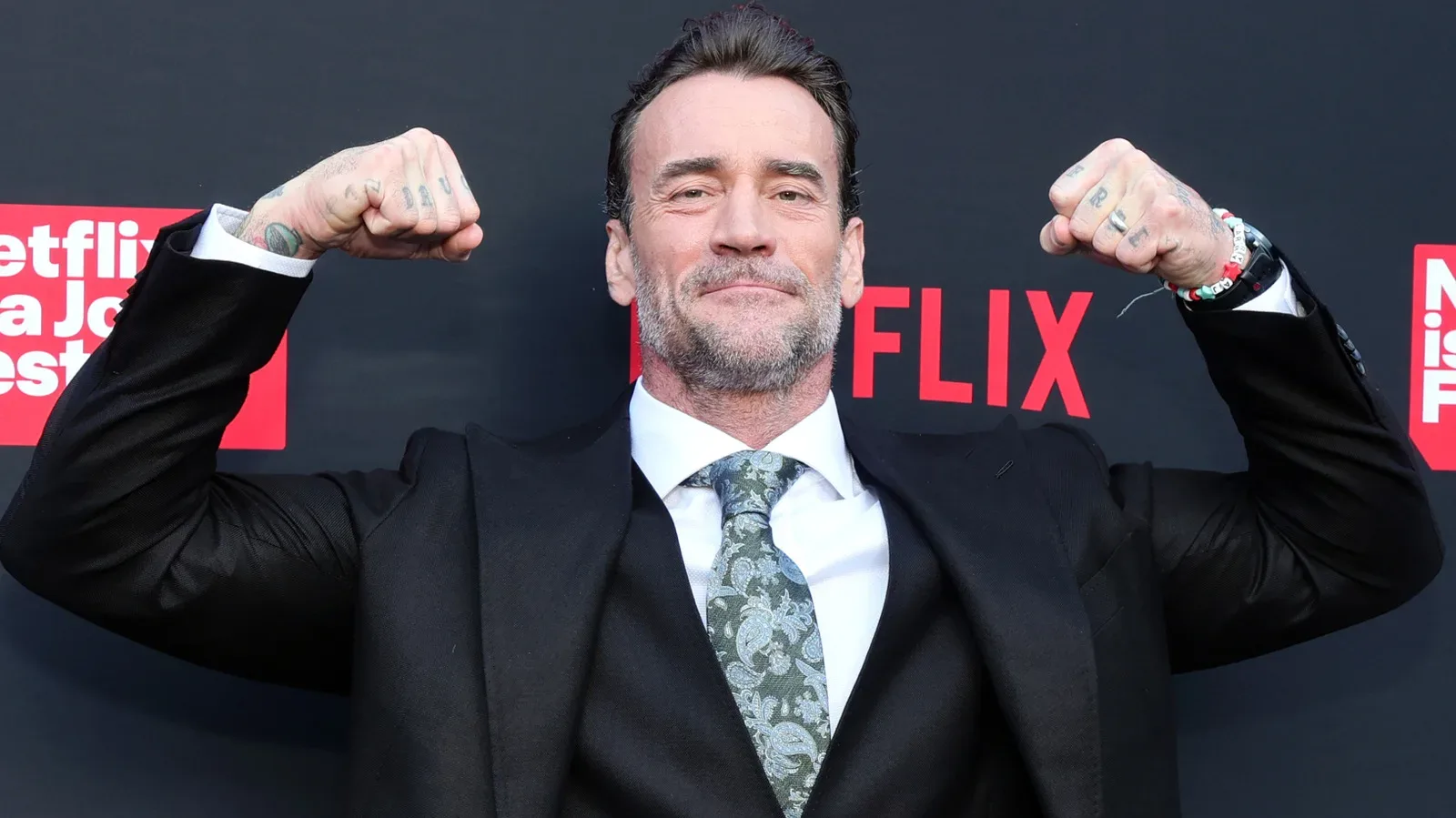
CM Punk’s appearance following his WWE return after WrestleMania 42 has become a major point of discussion among fans, with the veteran displaying a visibly bulkier physique in recent social-media posts. Former WWE star David Otunga has now offered his perspective on Punk’s transformation, describing the change as tremendous and framing it as the result of a wrestler taking his training seriously.
Speaking on his YouTube channel, Otunga said he has been encouraged by what he has seen from Punk. The two men have a notable history together from their first WWE runs, when both were members of The Nexus. Otunga explained that an interaction in the gym years ago stayed with him because it revealed a side of Punk that he believes has carried over into the present: a willingness to learn and a genuine interest in improving physically.
“CM Punk’s gone under a tremendous body transformation,” Otunga said on his YouTube channel.
Punk’s new look prompted online conversation due to the amount of size he appears to have added. Some observers questioned whether the transformation was natural. Otunga did not entertain that speculation, instead pointing to Punk’s mindset in the gym and his apparent commitment to training as the explanation for the progress he has witnessed.
For more background on this topic, read Bronson Reed Vows To Bring Roman Reigns Mindset Into Oba Femi Clash At Money In The Bank.
An Old Gym Conversation That Stayed With Otunga
Otunga recalled being on the road with Punk during their earlier WWE tenure and described a moment in which Punk approached him while he was squatting. Rather than acting as though he already knew the answers, Punk asked Otunga a question about his lifting approach.
Specifically, Otunga said Punk wondered why he was not using a belt while squatting. Otunga explained that he did not feel a belt was necessary for him. What impressed Otunga was not simply the question itself, but Punk’s reaction and interest in the answer.
For Otunga, it represented an example of Punk approaching the gym with humility. While Punk was the more experienced professional wrestler in that exchange, Otunga felt Punk was comfortable accepting that someone else might have more knowledge in another discipline. Otunga contrasted that dynamic with his own need to lean on Punk for guidance in wrestling.
“It stuck out to me because I was like, ‘Yo, he really is serious about this now,’” Otunga recalled. “He’s humble enough and ... realized he’s a beginner in working out, and asked me questions, where I’m clearly a beginner at wrestling — I have to ask him a ton of questions about wrestling, but he deferred to me in the gym.”
That mutual exchange of knowledge clearly made an impression on Otunga. Wrestling is a business in which performers often spend years building expertise in their own specialties, whether that involves ring work, conditioning, strength training, promo delivery, production, or character development. Otunga’s recollection presented Punk as someone who recognized the distinction between being experienced in one area and needing help in another.
It is also an important detail amid the current discussion around Punk’s changed body. Physical transformations can draw quick reactions online, particularly when a familiar performer suddenly appears larger or leaner than audiences remember. Otunga’s comments offer a more personal account rooted in his time traveling with Punk, one that emphasizes a long-standing interest in learning about training rather than a sudden or unexplained development.
Otunga Says Punk Is in the Best Shape of His Life
Otunga said the gym conversation left him rooting for Punk over the years. He expressed pride in his former Nexus stablemate and said he wants to see Punk continue succeeding, both in WWE and in his physical development. In Otunga’s view, the transformation has led Punk to what may be the best condition of his life.
That is a meaningful endorsement coming from Otunga, who has long been associated with an imposing physique of his own. His comments were not presented as a technical breakdown of Punk’s program or a claim about exactly how the transformation was achieved. Instead, Otunga focused on the attitude he saw firsthand: Punk asked questions, listened to the response, and appeared serious about putting in the work.
For a performer in Punk’s position, conditioning has several layers beyond appearance. WWE’s schedule and in-ring demands place a premium on durability, recovery, strength, mobility, and cardio. A more muscular look naturally becomes part of the public conversation because it is visible, but it can also reflect an effort to prepare for the physical realities of competing at a high level.
Punk’s return came after his WrestleMania 42 loss, and the social-media images that followed gave fans an immediate visual comparison point. As with any athlete or wrestler who changes their presentation, reactions ranged from praise to questions. Otunga’s response was firmly supportive, and he tied that support to a memory from their shared WWE past rather than only to the photos currently making the rounds.
The Nexus Connection Adds Context
Otunga and Punk’s relationship in WWE is closely linked to The Nexus, the group that emerged as one of the company’s most prominent acts during the early 2010s. Punk later led a version of the faction, and Otunga was among the wrestlers associated with the group during that era. Their shared history means Otunga’s comments come from someone who knew Punk in the environment of WWE’s demanding travel schedule, not simply from the perspective of a viewer seeing a recent image online.
That does not make Otunga’s opinion a definitive answer to every question raised by fans. It does, however, explain why he felt compelled to speak positively about Punk’s work. He remembers Punk making an effort to understand training techniques and seeking advice from a fellow wrestler whose strength and gym experience stood out.
Otunga’s story also underlines a broader point about professional wrestling development. Veterans are often celebrated for passing along in-ring experience to younger performers, but learning flows in multiple directions. A wrestler can have elite instincts for matches and storytelling while still looking to another person for assistance with lifting, nutrition, conditioning, or recovery. In Otunga’s account, Punk’s willingness to do that was a sign of maturity rather than a weakness.
Focus Remains on Punk’s WWE Return
Questions about Punk’s physical presentation will likely continue as fans follow his post-WrestleMania 42 WWE run. The change has been noticeable enough to generate substantial interest, but Otunga believes the explanation is straightforward: Punk has committed himself to getting stronger and is seeing the results.
Otunga did not offer details about Punk’s current training plan, daily routine, or specific goals, and none are necessary to understand the central point he made. From his perspective, the transformation is consistent with the seriousness Punk displayed years earlier when he sought gym advice and treated the learning process with respect.
For Otunga, that old exchange has remained memorable because it showed Punk willing to be a student outside the ring. Now, seeing the former Nexus leader with a visibly bulkier build, Otunga believes that dedication has paid off in a major way. His conclusion was clear: he is happy for Punk, he is pulling for his continued success, and he sees the WWE veteran as being in exceptional shape at this stage of his career.
In pictures
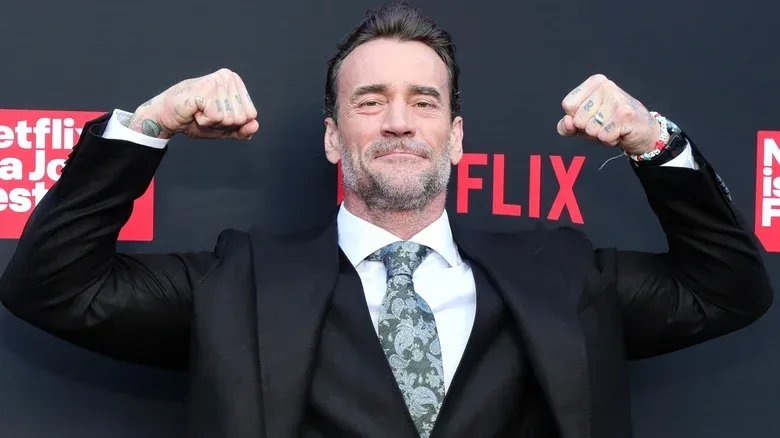

Darryl Polo
Darryl Polo is a passionate wrestling fan covering WWE, AEW, TNA and beyond. He loves great rivalries, breakout stars and the moments that keep fans talking long after the bell. How we work.