
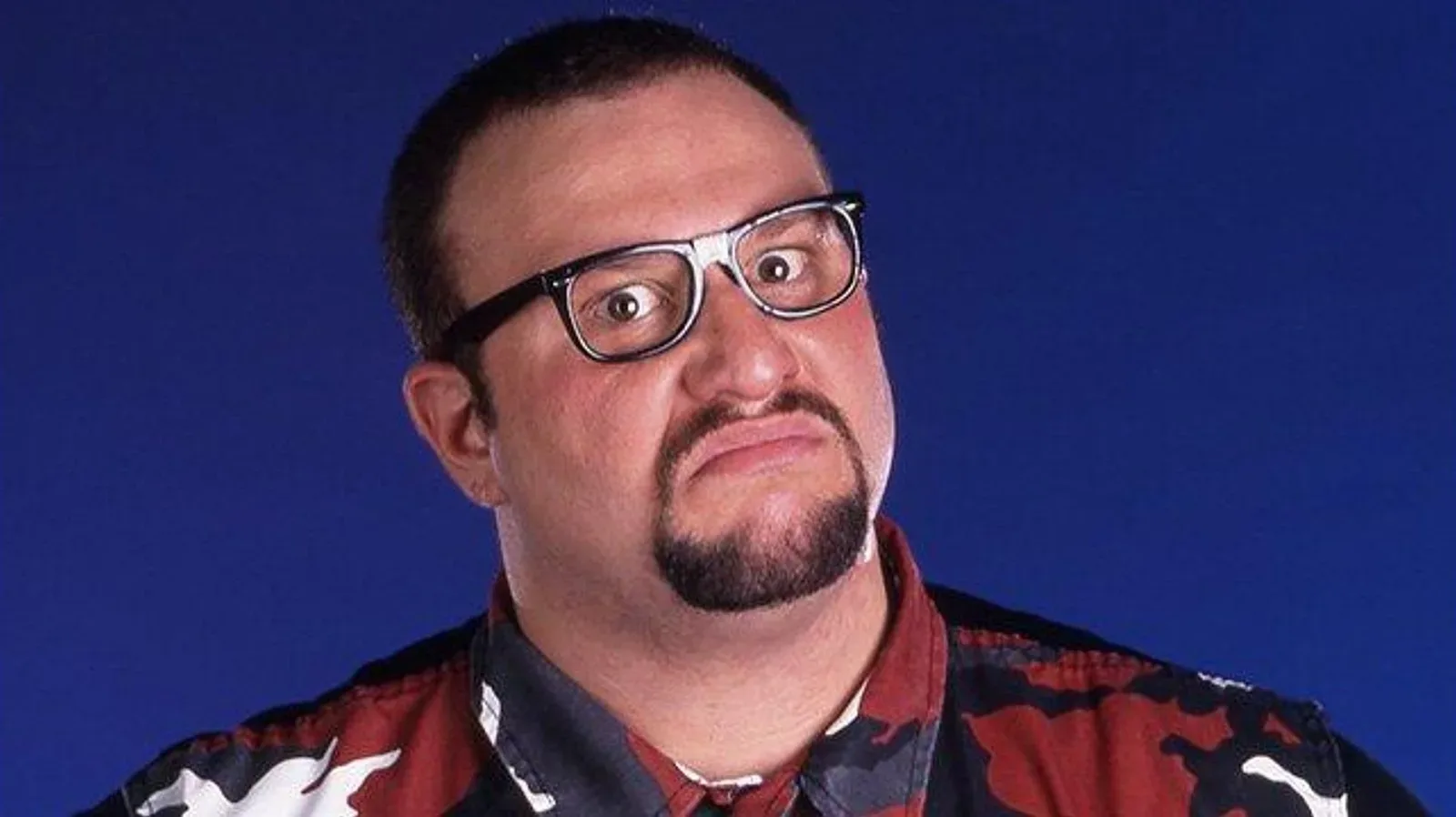
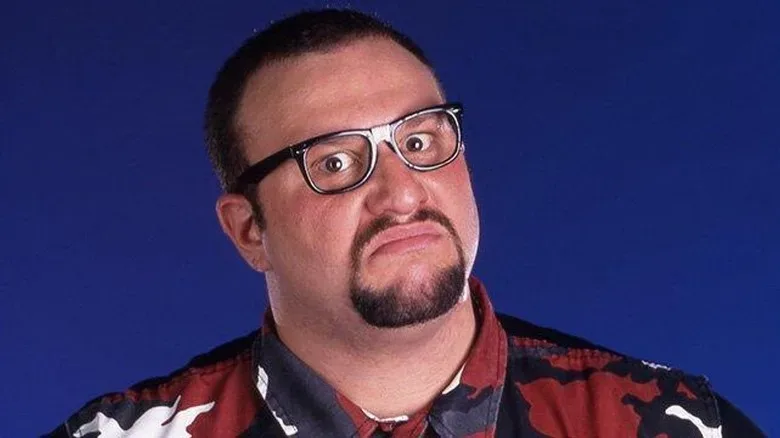
Bully Ray has looked back on the unusual position he and D-Von found themselves in during WWE’s Invasion storyline, revealing that the divisive angle also produced the biggest pay-per-view payday of his WWE career.
The Dudley Boyz had already become firmly established WWE performers by the time the WCW/ECW Alliance was formed. Bubba Ray and D-Von entered WWE after making their name together in ECW, but they had quickly created a separate and enormously successful legacy on the larger stage. Their WWE run had included the acclaimed Tables match at the Royal Rumble, a Ladder match, and early TLC encounters that helped define an era of tag team wrestling.
That history made their placement on the invading side of the 2001 storyline feel strange from Bully Ray’s perspective. Speaking on Busted Open Radio, he explained that he and D-Von had become WWE acts by that point, despite the undeniable ECW roots attached to their identities. Being asked to represent the opposition was therefore not simply a nostalgic return to their former promotion.
An Alliance Role That Felt Out Of Place
The Invasion was built around the collision of WWE talent with performers associated with WCW and ECW. The idea carried enormous potential because it put the company’s most recognizable stars opposite a group framed as an existential threat. Yet the angle remains one of the most debated major stories in WWE history, with fans frequently revisiting its creative choices and the makeup of the invading roster.
For more background on this topic, read Roxanne Perez Targets AAA Gold and Says She Wants to Retire AJ Lee.
Bully Ray’s comments underline one of the central complications. The Dudley Boyz were natural fits for the ECW association in the minds of fans, but their WWE accomplishments had already transformed their place in the business. They were not newcomers crossing the line into WWE. They had built a major body of work there and had been featured in some of the company’s most memorable tag team matches.
He said the original concept, as he understood it, was for the invasion to be exclusively identified with WCW. In his view, WWE ultimately did not believe the available WCW group was strong enough on its own to carry the presentation as the invading force. The inclusion of ECW-connected names added more depth and recognition to the Alliance side, while also giving the story another emotional connection for fans who had followed the hardcore promotion.
That did not entirely eliminate the awkwardness for Bully Ray and D-Von. Their act had been forged in ECW, but their mainstream success had come through WWE. They had already spent significant time competing against WWE’s top tag teams and participating in signature company matches. As Bully Ray described it, being placed on the other side felt odd because their careers had moved beyond being defined solely by where they started.
ECW’s Connection With The Audience
Bully Ray also argued that ECW had stronger fan support than WCW did by 2001. That support was an important factor in why ECW talent and identities became part of the Alliance presentation. ECW’s audience had remained deeply attached to the promotion’s rebellious personality, intense in-ring style, and cult status, even after the company ceased operations.
For WWE, bringing ECW into the story added a different kind of energy. WCW and WWE represented the largest rivalry of the previous era, while ECW provided a distinct identity rooted in hardcore wrestling and a fiercely loyal fanbase. The Dudley Boyz were among the most recognizable figures capable of carrying that association into the storyline. Their history made the choice understandable on paper, even if their current WWE status made it complicated in practice.
The tension within that decision is part of what makes Bully Ray’s recollection notable. A performer’s established history can be valuable for storytelling, but it can also conflict with the role the audience has watched them occupy most recently. The Dudley Boyz had become integral figures in WWE’s tag division. They were familiar WWE stars who had helped elevate the company’s Tables, Ladders and Chairs matches into marquee attractions.
As a result, positioning them as representatives of WCW/ECW asked viewers to see them through the lens of their past, rather than the WWE body of work they had built in the meantime. Bully Ray’s assessment suggests that he and D-Von were conscious of that disconnect while the story was unfolding.
A Massive Reward At The Invasion Pay-Per-View
Regardless of the creative uncertainty surrounding the Alliance roster, Bully Ray made clear that the Invasion pay-per-view was exceptionally rewarding financially. He identified the event’s Five-on-Five main event as the occasion that produced his largest WWE payoff.
The size of the check caught him off guard. Bully Ray recalled seeing the payment and being stunned by it, describing it as his biggest WWE payoff ever. The reaction speaks to the scale of interest surrounding the Invasion at the time. The angle was positioned as a landmark event, built around the possibility of WWE’s biggest competitive war being transformed into an in-ring conflict under one banner.
For performers, major events can carry significance beyond the immediate storyline result. They represent the culmination of weeks or months of television, promotional focus, and audience investment. The Invasion pay-per-view was clearly one of those occasions for Bully Ray, both because of the unusual side he was assigned to represent and because of the financial reward that followed.
His memory also serves as a reminder that the most creatively controversial storylines can still be major business moments. The Invasion has continued to inspire debate over what might have been possible with a different set of circumstances, but there is no question that it was presented as a consequential WWE attraction. For talent involved in its featured matches, that level of attention had practical value.
The Dudley Boyz Had Already Made WWE Their Home
Bully Ray’s comments put the spotlight on how quickly the Dudley Boyz had evolved after their arrival in WWE. Their ECW credentials remained essential to their image, particularly their hard-hitting style and table-centered violence. However, WWE gave the team a platform on which to become one of the defining tag acts of its generation.
Their participation in major stipulation matches was a key part of that transformation. The Royal Rumble Tables match, Ladder match appearances, and TLC bouts placed the Dudley Boyz in programs that became synonymous with WWE’s turn-of-the-century tag team boom. Those matches helped establish them as more than a former ECW pairing making an impact in a new company. They were WWE headliners within their division.
That is why their Alliance assignment remains such an interesting footnote in their career. The storyline drew upon the authenticity of their ECW past, but Bully Ray’s recollection makes clear that he and D-Von did not necessarily view themselves as outsiders invading WWE. They had already invested heavily in WWE and had achieved many of their biggest milestones there.
In the end, the Invasion angle gave Bully Ray a career-best WWE pay-per-view payoff while also placing him in one of the most unusual character positions of his run. The experience combined huge business with a role that did not fully match how he and D-Von saw themselves at the time. For Bully Ray, the check was unforgettable. The feeling of standing against the company they had come to represent was, apparently, just as memorable.
In pictures
Darryl Polo
Darryl Polo is a passionate wrestling fan covering WWE, AEW, TNA and beyond. He loves great rivalries, breakout stars and the moments that keep fans talking long after the bell. How we work.