
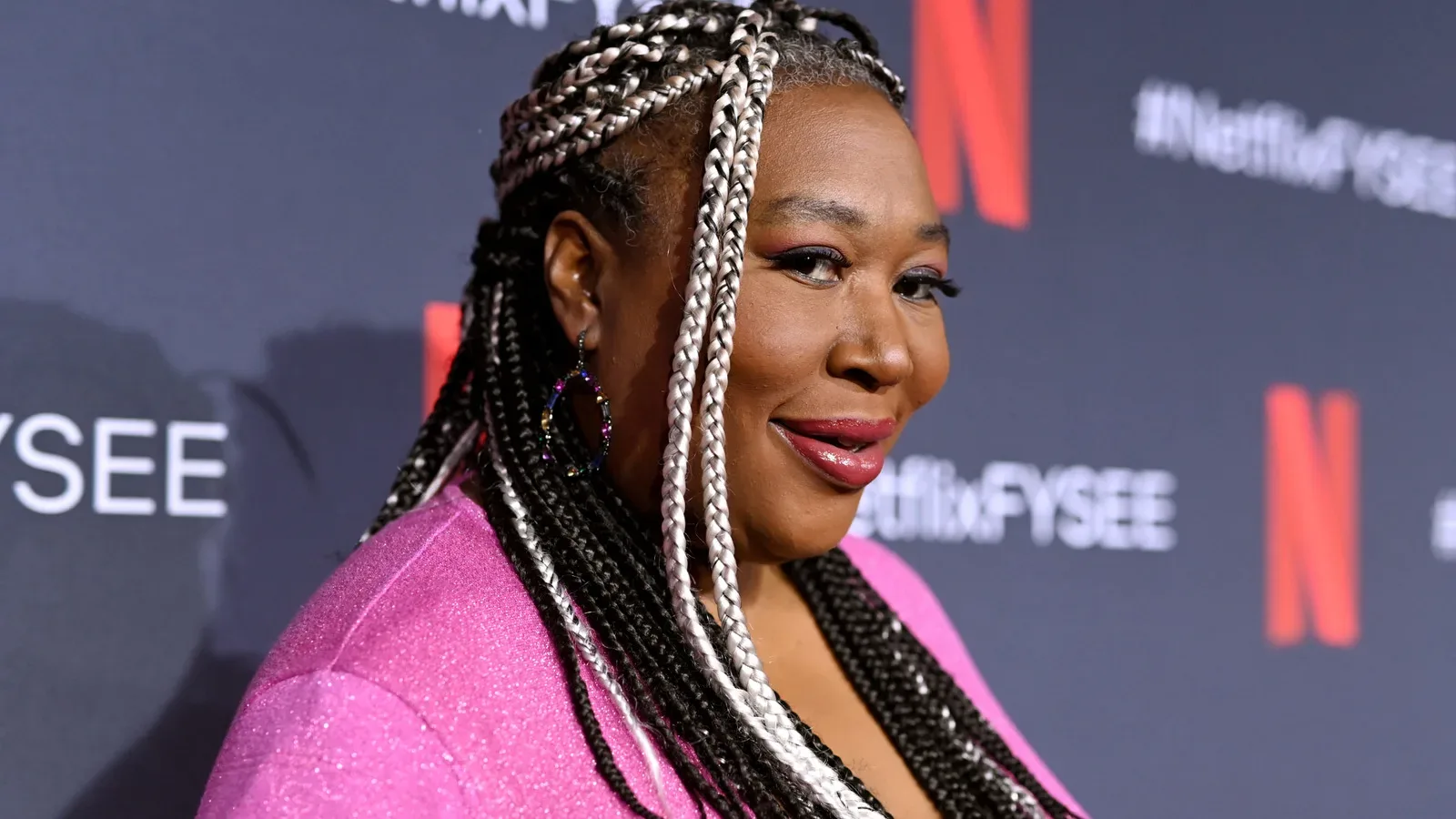
Awesome Kong’s path to WWE was not supposed to happen as quickly as it did. After leaving TNA Wrestling in March 2010, Kong — real name Kia Stevens — had mapped out a practical next step for herself. She expected to return to the independent circuit, improve her conditioning, wait for her contractual restrictions to expire, and then place a call to WWE.
WWE had other plans. The company contacted Kong before she had taken those steps herself, creating an opportunity that surprised a wrestler who had spent years being told she did not fit what WWE was thought to be looking for.
Speaking recently about that pivotal period, Kong explained that her departure from TNA came at a difficult financial moment. She said she was “minus money” and “in the red,” but still had a deliberate plan to rebuild on the independents before approaching WWE a few months later. Instead, WWE made the first move.
“I had left TNA. I had minus money and I was in the red. I was like I don’t care,” Kong said. “So I was like I’m going to wait a while, get back on the indies, and I’m going to give WWE a call about as soon as my no-compete is up.”
For more background on this topic, read Rey Mysterio Explains Why The Undertaker’s AAA Creative Role Feels Familiar.
For Kong, the unexpected contact represented more than a new job possibility. It was validation after an accomplished career in which she had become one of the most recognizable and feared figures in women’s wrestling outside WWE. Her presentation, physical dominance, and ability to work as both a destructive force and a compelling character had made her stand out across multiple promotions.
At the time, Kong believed she would need to take the initiative and make her case to WWE. She had planned to give herself time to get back into shape, then see whether a conversation with the company could develop. But WWE had already seen enough of her work to have an interest.
WWE Had Already Seen Kong’s Work
Kong said the volume of footage available from her TNA tenure played a major role in putting her on WWE’s radar. She had been prominently featured by TNA, and wrestlers who submitted their strongest matches as part of the scouting process frequently included bouts involving Kong.
“What had happened was evidently all the girls that were sending in the tapes were sending in their best matches,” Kong explained. “Because TNA was pimping me out left, right, and center, all their best matches were me.”
That exposure meant Kong did not need to send WWE material before the company had already gained a clear impression of her. In addition to the matches circulating through performers’ submissions, she noted that WWE personnel had also seen her work directly on TNA programming.
The first call came from WWE executive John Laurinaitis. Kong initially assumed someone was playing a prank on her. Given the timing of her exit from TNA and the messages she had heard throughout her career about her WWE prospects, skepticism was understandable.
Once it became clear that the offer was real, Kong moved through WWE’s process. She participated in an interview and underwent medical testing, which she said she passed. The result was a main-roster opportunity that skipped a step many signings of that era were expected to take.
Rather than working through a developmental territory first, Kong debuted on WWE television in the spring of 2011 under the name Kharma. Her arrival immediately established her as a major threat within the women’s division. WWE presented Kharma as an imposing and unpredictable force, using her physical presence to create an aura unlike that of most other women on the roster.
Kharma’s Brief But Memorable WWE Run
Kharma’s WWE tenure was short, but the character made an impact during her appearances. Before stepping into a WWE match, she terrorized several prominent women’s division names, including Michelle McCool and Eve Torres. The scenes reinforced the idea that Kharma was not simply another entrant in the division; she was meant to be an overwhelming obstacle.
Her lone WWE match came in the 2012 Men’s Royal Rumble. It was a rare and memorable spot for a woman in that match, and Kharma made the most of her limited time in the ring. She eliminated Hunico, sent commentator Michael Cole scrambling out of harm’s way, and then was eliminated by Dolph Ziggler.
Although her official in-ring record in WWE was limited to that Royal Rumble appearance, the moment remains significant in the broader story of Kharma’s career. It gave WWE audiences a direct look at the same intimidating performer who had built her reputation elsewhere, while also placing her in one of the company’s most recognizable annual matches.
Kong departed WWE in the summer of 2012. Her time there did not become the long-term run that some fans may have envisioned when Kharma first appeared, but Kong remains appreciative of the chance she received. That appreciation is tied closely to what the WWE call represented after so many people had projected assumptions about whether she would ever be hired.
Years Of Being Told She Did Not Fit The Mold
Kong recalled hearing a familiar refrain from peers throughout her career: that Vince McMahon would never hire her. Those comments were often framed as insider knowledge, with people claiming to understand exactly what the former WWE CEO did or did not want in a performer.
“I swear everybody would always assume they knew Vince and knew what Vince liked,” Kong said. “People would always say, ‘I’m sorry, Vince would never hire you.’”
For a performer with Kong’s body of work, those statements reflected a rigid view of what WWE could be rather than what the company might actually pursue. Kong was a distinctive talent. Her presence was different from many of the wrestlers who had traditionally been featured in major women’s divisions, and that difference became a reason some doubted her chances of reaching WWE.
WWE’s call turned those expectations upside down. Kong said she was surprised, but she also made a conscious effort to show another side of herself when she arrived for meetings at WWE headquarters. She wanted to make an impression beyond the intimidating image that audiences had come to associate with Awesome Kong.
“When I went down there, I made sure I went down there pimping,” Kong said. “I was Barbie doll pimpin’ when I went down to the Twin Towers. I went down there like, ‘Hey.’ They liked that because that was a different side of me.”
That confidence and sense of personality mattered. Kong had already demonstrated that she could be a force in the ring, but she understood that major wrestling companies evaluate more than physical ability. Her ability to show charisma, range, and a distinct personal style helped make the experience feel especially rewarding.
“It was a fun ride,” Kong said of her WWE run. “It was a fun little honeymoon.”
A Career Still Respected By Fans And Peers
Now 49, Kong considers herself retired from professional wrestling. Still, she has recently indicated that the right opportunity, combined with appropriate training, could potentially lead to an in-ring return. There is no confirmed comeback plan, and Kong has not announced a specific promotion, opponent, or timetable.
Even so, the possibility naturally draws interest because of the reputation she built over the course of her career. Kong was a performer whose presence could change the tone of a division immediately. Whether she was known as Awesome Kong or Kharma, she brought a level of credibility and intensity that made her appearances feel important.
Her WWE signing remains a revealing chapter in that story. Kong did not arrive through a conventional developmental route, nor did she reach WWE only after relentlessly pursuing the company. The company found her while she was preparing to begin again elsewhere, having already seen enough evidence of what she could do.
For Kong, the experience also served as an answer to years of unsolicited predictions about her ceiling. WWE’s interest did not erase the brevity of her run, but it did prove that the assumptions made about what she could or could not achieve were wrong. More than a decade later, that unexpected phone call remains a defining reminder that a wrestler’s path is not always determined by the limits others try to place on them.
In pictures

Darryl Polo
Darryl Polo is a passionate wrestling fan covering WWE, AEW, TNA and beyond. He loves great rivalries, breakout stars and the moments that keep fans talking long after the bell. How we work.